magazines/journals



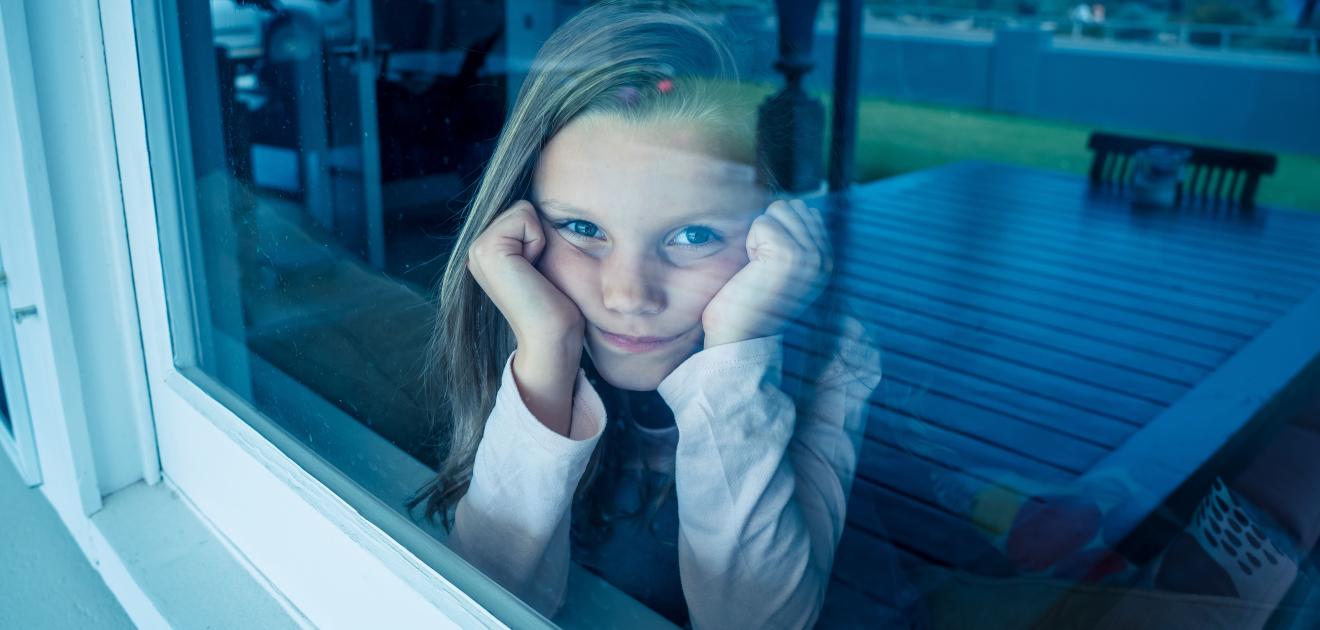
Santé publique France has published in the BEH the initial findings of the CONFEADO study, which aims to understand—in the context of the COVID-19 pandemic in France—how children and adolescents aged 9 to 16 experienced the first lockdown through May 11, 2020, and how it may have affected their well-being.
surveys/studies
Santé publique France, in partnership with other institutions, is launching a major national study on how children and adolescents aged 9 to 16 experienced lockdown during the COVID-19 pandemic.
As part of the measures to control the COVID-19 pandemic, all schools in France were closed starting Monday, March 16, 2020. This measure affected several million students, who were confined to their homes for several weeks.
How did they experience this unusual period, and what strategies did they use to cope? To answer this question, Santé publique France launched the CONFEADO study with Avicenne Hospital in Bobigny and Sorbonne Paris Nord University, in partnership with Inserm, the University of Tours, CN2R, EHESS, the Lab School Network, CNRS, and UNICEF, and with support from the FHF Fund.
This study was conducted during the first lockdown among 3,898 children aged 9 to 16, including 81 young people in the care of child welfare services. It aims to understand how children and adolescents experienced the lockdown and how it may have affected their well-being.
Its objectives:
To assess children’s emotional state and resilience during lockdown and the reopening based on their living conditions during this period.
To assess, for the children involved, the possibility of post-traumatic stress disorder in cases where a close relative was hospitalized due to COVID-19.
Make recommendations to public authorities to support children and adolescents during this period of reopening.
The results of the CONFEADO study highlight disparities in mental health, typically found according to age and gender, with mental health more severely impacted among adolescents (13–18 years old) than among children (9–12 years old) and more severely impacted among girls than among boys.
The results also reveal a clear social divide during the first lockdown. Indeed, the children and adolescents who experienced greater distress were those from more vulnerable families (single-parent families, with lower educational attainment, more blue-collar or white-collar workers, born abroad, and in situations of social isolation) and exposed to:
difficult housing conditions (confined in urban areas, in an apartment or house without a yard, without access to an outdoor space in the home, overcrowded housing with no possibility of isolation),
difficult economic conditions (financial and food insecurity, parental unemployment prior to lockdown, reduced income due to the pandemic, and lack of internet access),
These children and adolescents suffered more from a lack of activity during lockdown: fewer outings, heavy screen time with more time spent daily on social media, less contact with friends, and fewer recreational activities with adults. These children were more overwhelmed by homework than others. Psychological distress was also influenced by the infection and hospitalization of a loved one due to COVID-19.
The most resilient children were those who did not experience distress during lockdown, had better living conditions—including outdoor activities, contact with friends, moderate social media use, and daily play activities with adults.
These initial findings highlight the importance of implementing tailored social policies to promote resilience during a health crisis. Financial support for single-parent families, the continuation of after-school activities, and regular outings are factors that can influence the mental health of children and adolescents during lockdown. Support for young people whose loved ones have been infected or hospitalized due to COVID-19 should be promoted, as well as initiatives to disseminate accessible and age-appropriate information about the situation to parents and children in order to best preserve their mental well-being during this pandemic.
Download
magazines/revues
19 May 2021
The coronavirus pandemic and lockdowns are impacting our daily lives, as well as our physical and mental health. Since the start of the pandemic, Santé publique France has been working with its partners to analyze and support the public in order to better understand changes in health and well-being, advance knowledge, and inform decisions made by public authorities.
Explore our studies and surveys related to mental health:
View all of our studies and surveys conducted in connection with the COVID-19 pandemic.
The current situation is difficult, and it’s easy to feel stressed, anxious, or depressed. Here are some tips for taking care of yourself:
Stay connected and talk to those around you
Help those in need
Don’t watch the news all day
If you’re in quarantine, structure your days
Limit your alcohol and tobacco use
Take care of your health
Despite all this, it may still be too difficult. If you feel the need, professionals can help you at 0800 130 000, 24 hours a day—toll-free.
More tips on our page “COVID-19: Taking Care of Your Mental Health During the Pandemic”
magazines/journals
Updates, Q&As, expert interviews... everything you need to know about the novel coronavirus (SARS-CoV-2) and COVID-19 in France and around the world












