



Exposure to chemicals
L’exposition à des substances chimiques présentes dans l’environnement ou en milieu de travail peut avoir des conséquences néfastes sur la santé. Santé publique France met en œuvre des dispositifs de surveillance pour caractériser et évaluer leurs impacts sur la santé.
Everyday Chemicals
Chemical substances are present everywhere in our environment: in soil, water, air, food, household products, cosmetics… both outdoors and indoors in homes, living spaces, and workplaces.
Exposure to chemical substances affects the general population as well as specific groups, particularly in the workplace.
Effects on human health
While not all chemicals are toxic, some can have harmful effects on health and may be classified as carcinogenic and/or mutagenic and/or toxic to reproduction and/or suspected of being endocrine disruptors. The health risks associated with chemicals depend on several factors, including:
the characteristics of the substance in question;
the routes of entry into the body (respiratory, dermal, digestive, or placental);
the mode of exposure (level, frequency, etc.);
the timing and duration of exposure;
the health status of the individual concerned (existing medical conditions, etc.).
Thus, some people may be more sensitive to chemicals than others.
genetic susceptibility: some people may have genetic predispositions that can alter the absorption, detoxification, or elimination of chemicals present in their environment;
age: during certain developmental periods (in utero, early childhood, adolescence), susceptibility to chemicals is high, with an increased risk of health consequences.
These effects may occur following:
acute poisoning (brief exposure);
chronic poisoning (repeated contact with the substance, even at low doses);
exposure, even at low doses, during developmental periods.
Health conditions linked to chemical exposure may appear immediately or with a delay, even several months or years after exposure. The consequences of exposure during development can manifest throughout one’s lifetime.
33%
In 2010, 33% of French employees were exposed to at least one hazardous chemical
Currently available statistical data from the survey on medical surveillance of occupational risk exposure (SUMER) show that in France in 2010, 33% of employees were exposed to at least one hazardous chemical agent and 10% of employees to at least one carcinogenic chemical during the week preceding the survey, representing 2.2 million employees. This exposure primarily affected men (78% of exposed employees) and particularly those under 25, who were exposed more frequently than other age groups.
Furthermore, research by the European Chemicals Agency (ECHA) indicates that approximately 120,000 chemical substances are placed on the European market, of which several thousand meet the criteria for CMR classification (carcinogenic, mutagenic, and toxic to reproduction), and many others are considered hazardous to human health.
Monitoring systems established in France
Regarding exposure to chemical substances, the work conducted by Santé publique France contributes to the characterization of the exposome, as defined in the Public Health Act, which aims in particular to better characterize, in an integrated manner, exposures throughout individuals’ lifetimes by combining their various environments.
Based on available knowledge, Santé publique France implements systems to monitor exposure and, where appropriate, systems to monitor health impacts resulting from exposure to these substances.
Exposure monitoring is conducted at the national level through the national biomonitoring program. It primarily concerns substances for which no health impact indicators are currently available. For other substances, such as CO and lead, a number of health impact indicators have been defined: CO and mortality; lead and lead poisoning in children and pregnant women. For these substances, specific monitoring systems have been developed and are managed by Santé publique France. As part of the National Strategy on Endocrine Disruptors, Santé publique France monitors and analyzes certain health indicators at the national level that may be linked to exposure to endocrine disruptors selected based on the weight of evidence.
In France, the national biomonitoring program was established following the Grenelle Environment Forum and is part of the actions outlined in the National Health and Environment Plan. Following the collection of data on several substances as part of the environmental component of the National Nutrition and Health Study (ENNS) conducted in 2006–2007, two studies are currently being carried out under this program:
the perinatal component, which involves the analysis of biomarkers for mothers included in the Elfe cohort in 2011;
the Esteban study (Health Study on the Environment, Biomonitoring, Physical Activity, and Nutrition) conducted in 2014–2016.
This program aims to address the following priority public health issues: describing population exposure levels to establish national reference values, and monitoring exposure levels over time at the national level (through repeated surveys).
It helps guide public policy by enabling the monitoring and evaluation of the effectiveness or impact of exposure reduction strategies.
Other national studies focus on:
specific substances (carbon monoxide, dioxins, lead, PCBs, pesticides, etc.);
or specific regions.
Among workers
Several general or specific systems for monitoring exposure to chemical substances are in place.
The Matgéné project provides information on current exposure and lifetime exposure to chemicals harmful to health, such as carcinogens. It covers all French workers regardless of their status: employees, self-employed individuals, farmers, etc.
The Matphyto project specifically targets agricultural workers and their exposure to pesticides. This exposure is tracked throughout their professional careers so that it can be linked to potential work-related chronic conditions. The occupational exposure biomonitoring project collects occupational exposure data measured in workers through biological samples (urine or blood) prescribed by the occupational physician.
The establishment of a cohort of agricultural workers exposed to chlordecone in Martinique and Guadeloupe also contributes to the monitoring of a specific chemical risk. Other systems allow for the assessment of chemical exposures in food or in the environment (indoor air, outdoor air, water, etc.).
Other measures are used to assess chemical exposures in food or in the environment (indoor air, outdoor air, water, etc.).
See also
ANSES - Total Diet Studies
Monitoring systems established in Europe
Santé publique France is involved in the European HBM4EU project, which aims to develop and harmonize biomonitoring practices at the European level.

rapport/synthèse
9 December 2023
Exposure of Pregnant Women to Environmental Pollutants in France in 2011. Perinatal Component of the National Biomonitoring Program Conducted Within the ELFE Cohort - Volume 1: Organic Pollutants
rapport/synthèse
12 June 2019
Exposure of Pregnant Women to Environmental Pollutants in France in 2011: The Perinatal Component of the National Biomonitoring Program Conducted Within the ELFE Cohort - Volume 1: Organic Pollutants
rapport/synthèse
12 June 2019
Exposure of Pregnant Women to Environmental Pollutants in France in 2011: The Perinatal Component of the National Biomonitoring Program Conducted Within the ELFE Cohort - Volume 2: Metals and Metalloids
rapport/synthèse
6 September 2019
Exposure of the French Population to Environmental Chemicals. Volume 1. Overview of the Study. Metals and Metalloids
rapport/synthèse
9 December 2023
Exposure of the French population to environmental chemicals. Volume 2 - Polychlorinated biphenyls (PCBs-NDL). Pesticides

Carbon monoxide
thematic dossier
Colorless, odorless, tasteless, and non-irritating, carbon monoxide (CO) is an imperceptible toxic gas. It is the cause of many cases of poisoning during the winter months.

Endocrine disruptors
thematic dossier
The number of molecules classified as endocrine disruptors is on the rise, and they are found everywhere in the environment. Their effects on human health are still poorly understood, but they are...
Pesticides
thematic dossier
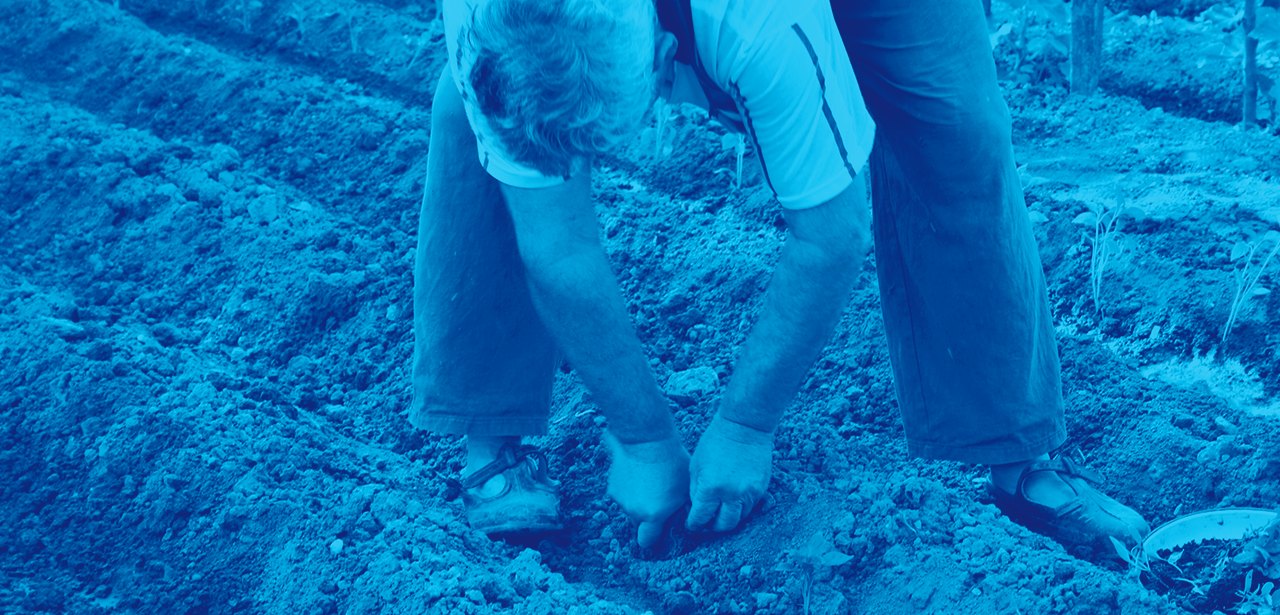
Pesticides are widely used in France, primarily in agriculture, and the population is heavily exposed to them. Their effects on the health of the general population are still poorly understood.
Our latest news

news
Shamonda Virus: First Human Case Detected in France—What Do We Know?

news
Call for Nominations for the Renewal of the Scientific Advisory Board of the...

news












