


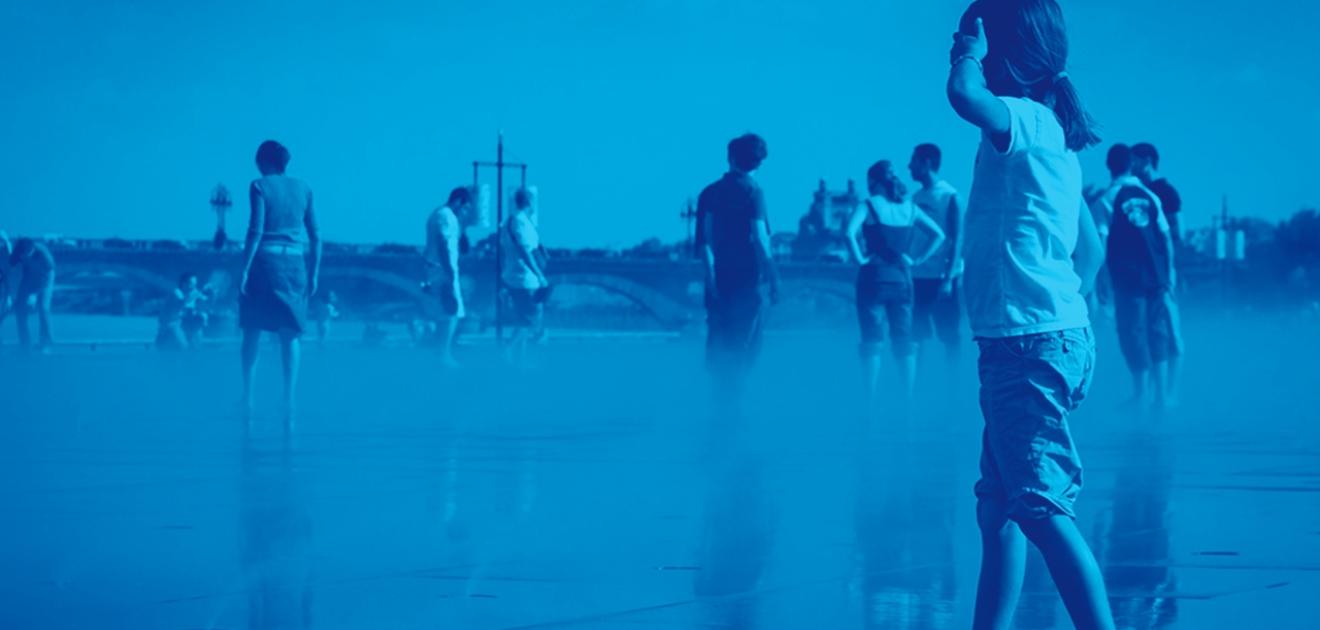

What steps can be taken to prevent heat-related risks?
The adoption by everyone of simple, cautious behaviors and a spirit of solidarity is the cornerstone of prevention. Solidarity across generations is a crucial element of prevention. It is essential to realize that we are all at risk, even if some are more so than others.
Heat Wave: Steps to Take Before, During, and After
Protect yourself beforehand
Older adults, isolated individuals, or those with disabilities can register with municipal services to be included in the local registry
Coordinate with family members and neighbors to stay in daily contact with older, isolated, or vulnerable individuals. This act of mutual support can be crucial
Do not hesitate to ask your doctor or pharmacist for advice, especially if you have health issues or are on regular medication (such as adjusting doses)
Information documents on the proper use and storage of health products are available on the ANSM website, intended for healthcare professionals.
Protect yourself during
For everyone, and especially pregnant women, infants, the elderly, people with chronic illnesses or disabilities, and workers exposed to heat:
During a heat wave or period of extreme heat, it is necessary to:
Drink water regularly
Wet your body and stay cool
Eat enough
Avoid physical exertion
Avoid drinking alcohol
Keep your home cool by closing the shutters during the day and ventilating at night if temperatures have dropped below daytime levels
Spend time in a cool place (movie theater, library, supermarket, etc.)
Check in with loved ones and give them updates.
For older adults, it is very important to protect themselves as much as possible from the heat by:
Spending several hours a day in a cool or air-conditioned place
Regularly wetting their bodies to lower their body temperature (for example, by applying damp cloths or a wet washcloth to their face, arms, and neck) and spraying water on their face...
Drinking enough fluids (about 1.5 liters of water, which is the amount of water they are able to eliminate)
Eating enough (if necessary, by splitting meals) to provide the body with the necessary minerals.
Heat quickly exposes infants and young children to dehydration, which can be serious. It is therefore essential to:
Keep children in a cool environment. Indoors, don’t hesitate to leave babies in just a diaper, especially while sleeping, and young children in underwear. Offer them baths during the day
Never leave children alone in an overheated area, a poorly ventilated room, or a car, even for a short time
Avoid taking them out during the hottest hours of the day. If you do go out, dress them lightly, opting for loose-fitting, lightweight, light-colored clothing, and don’t forget a hat
Offer them drinks regularly and make sure to bring enough water when traveling
Pay special attention to children with health issues and/or those taking medication regularly. Consult your doctor or pharmacist about additional precautions to take
Call a doctor immediately if your child has a fever or exhibits changes in behavior
If you are breastfeeding your child, breast milk will ensure adequate and sufficient hydration, but don’t forget to stay hydrated yourself.
As an employer:
To limit workplace accidents related to weather conditions, employers must implement a few simple measures. This is the purpose of Decree No. 2008-1382 of December 19, 2008, regarding the protection of workers exposed to specific weather conditions.
From now on, all employers must:
include risks related to thermal environments in the “single document”
and, in the construction sector, provide workers with a rest area suitable for the weather conditions or arrange the worksite to allow for breaks under equivalent safety conditions.
Protecting Yourself Afterward
For older adults who feel even the slightest discomfort, they should not hesitate to ask their neighbors for help and, if necessary, contact their primary care physician or call 15 (SAMU) in case of an emergency.
In relation to
Climate change
thematic dossier
Climate change is rapidly and profoundly altering the environment. The health impacts of climate change are numerous and varied.
UV
thematic dossier
Ultraviolet radiation, which is everywhere, is emitted naturally by the sun or by artificial sources. It is responsible for various health conditions, including certain types of skin cancer.
Extreme cold
thematic dossier
Cold weather increases the risk of cardiovascular and respiratory conditions and can lead to hospitalizations and death. This impact is observed within 3 to 21 days of exposure to the cold.











