


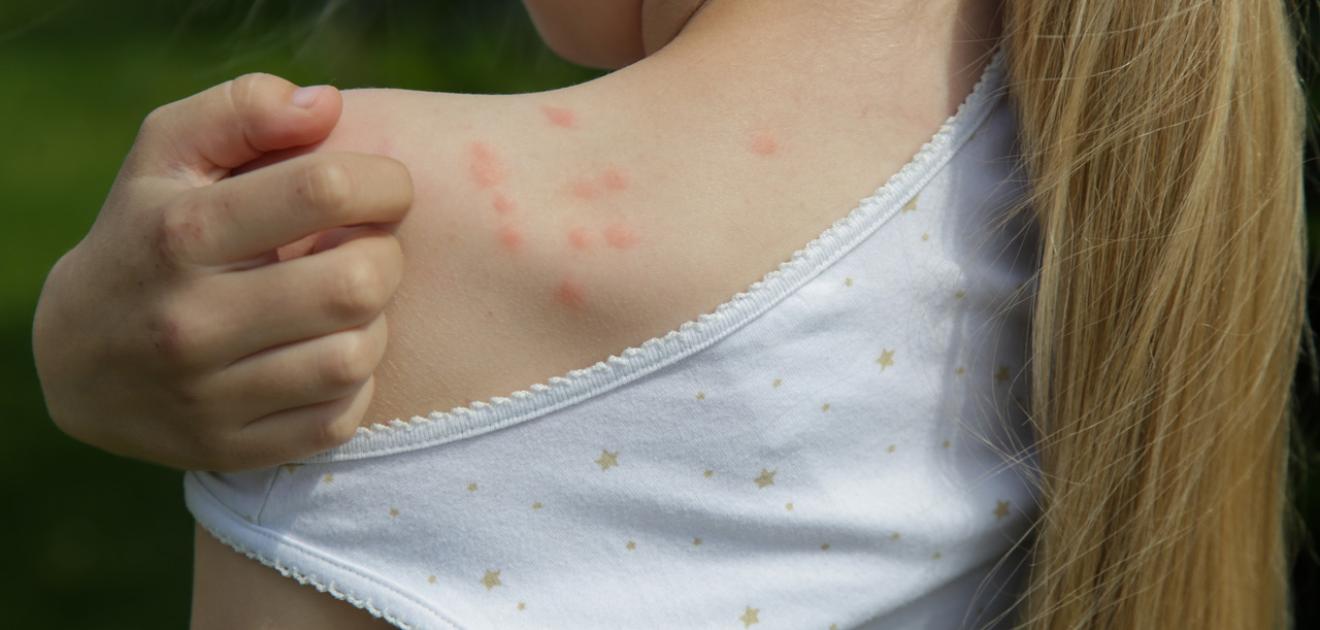
Arboviral Diseases in 2026: Mosquito-Borne Diseases Continue to Spread This Summer
As part of the enhanced surveillance efforts in mainland France, Santé publique France publishes a weekly update on arboviral diseases and reminds the public of the importance of taking steps to protect themselves from mosquito bites.
Dengue, chikungunya, and Zika are classic tropical diseases caused by arboviruses. These viruses are regularly brought into mainland France by travelers (imported cases) and can then be transmitted to another person by the tiger mosquito (Aedes albopictus). West Nile virus is also an arbovirus but is transmitted primarily by mosquitoes of the genus Culex. Birds are the main reservoir of the West Nile virus, but humans, horses, and other vertebrate species are also susceptible to infection through a mosquito bite.
What is the situation regarding arboviral diseases in France in 2026?
The sharp decline in imported cases of chikungunya compared to last year is due to significantly lower viral circulation since the end of the large-scale epidemic in Réunion in 2025. In addition, the pressure from imported dengue cases in mainland France is lower than last year’s, due to the international epidemiological situation.
However, the Aedes albopictus vector continues to establish itself in mainland France: to date, 81 of the 96 departments in mainland France and Corsica are affected. This colonization varies by department, with some being entirely colonized while, in others, only a few municipalities are affected.
Learn more: link to the latest national and regional bulletins
How is arbovirus surveillance organized?
Surveillance for dengue, chikungunya, Zika, and West Nile fever is based on the mandatory reporting of all biologically confirmed cases. In mainland France, mosquitoes are active:
- from May 1 to November 30 for mosquitoes of the genus Aedes (which can transmit dengue, chikungunya, and Zika);
- from June 1 to November 30 for mosquitoes of the genus Culex (which transmit West Nile virus)
During this period, surveillance is stepped up to address the risk of local transmission. The detection of an arbovirus case triggers epidemiological and entomological investigations to rapidly implement vector control measures (mosquito control, etc.) and thereby limit the risk of local virus transmission.
The Central Role of Healthcare Professionals
Healthcare professionals play a central role in the surveillance and control of arboviral diseases. Their contributions include:
- disseminating prevention messages to patients, particularly regarding ways to avoid mosquito bites;
- diagnosing and treating infected patients;
- reporting cases to regional health agencies (ARS), which triggers investigations and mosquito control measures;
- in the event of locally transmitted outbreaks, these reports also help ensure the safety of products of human origin.
Learn more

actualité
Chikungunya, dengue, and Zika: Healthcare professionals at the heart of prevention and epidemiological surveillance efforts
Download

depliant/flyer
6 June 2024
Dengue, Chikungunya, Zika: From Prevention to Reporting. Mainland France – Corsica
What steps should you take to protect yourself from mosquitoes?
To prevent mosquitoes from breeding:
- Limit the amount of standing water where larvae develop:
- Get rid of small pools of water and fill small containers with damp sand
- Cover water sources (rain barrels, kiddie pools, etc.) with a tarp or mosquito netting
- Store all items that can hold water (watering cans, basins, toys, tires, etc.) in a place sheltered from the rain
- Clean out the gutters
- Collect yard waste to prevent adult mosquitoes
- Encourage your neighbors to adopt these measures
Learn more: Disease-Carrying Mosquitoes - Ministry of Health, Family, Autonomy, and People with Disabilities
To minimize mosquito bites:
The best steps to take to protect yourself and avoid mosquito bites in areas where infected mosquitoes may be present are:
- wear loose-fitting, covering clothing;
- use fans or air circulators;
- use a topical mosquito repellent, preferably a lotion or cream, after reading the instructions—particularly the usage restrictions and application guidelines—and apply it to exposed areas of the body;
- fit your windows with mosquito screens;
- sleep under a mosquito net;
- Do not use electric mosquito repellent diffusers in the presence of pregnant women or children under 3 years of age.
Learn more: Recommendations on personal vector protection from the High Council for Public Health
Upon returning from regions or countries where cases have been reported, it is recommended that you:
- to see a doctor if you experience any symptoms (joint pain, muscle pain, headaches, skin rash with or without fever, conjunctivitis, etc.);
- to avoid being bitten by a mosquito and thereby infecting other mosquitoes that could transmit the virus to another person.
How can you report the presence of this mosquito?
Reports of this mosquito’s presence from the public are the main source of information for tracking its spread across mainland France. You can report its presence on the health authorities’ official website.

Chikungunya
thematic dossier
Chikungunya is a viral disease transmitted by mosquitoes of the genus Aedes. The most common symptoms are fever and joint pain.
Dengue
thematic dossier
Dengue fever is a viral disease transmitted by mosquitoes of the genus Aedes. The most common symptoms are fever and joint pain. Its complications can be severe.
West Nile virus
thematic dossier
West Nile virus is an arbovirus primarily transmitted by mosquitoes that can cause neurological disorders in humans. It is a virus found in birds, but it can also infect humans and horses. In...












