


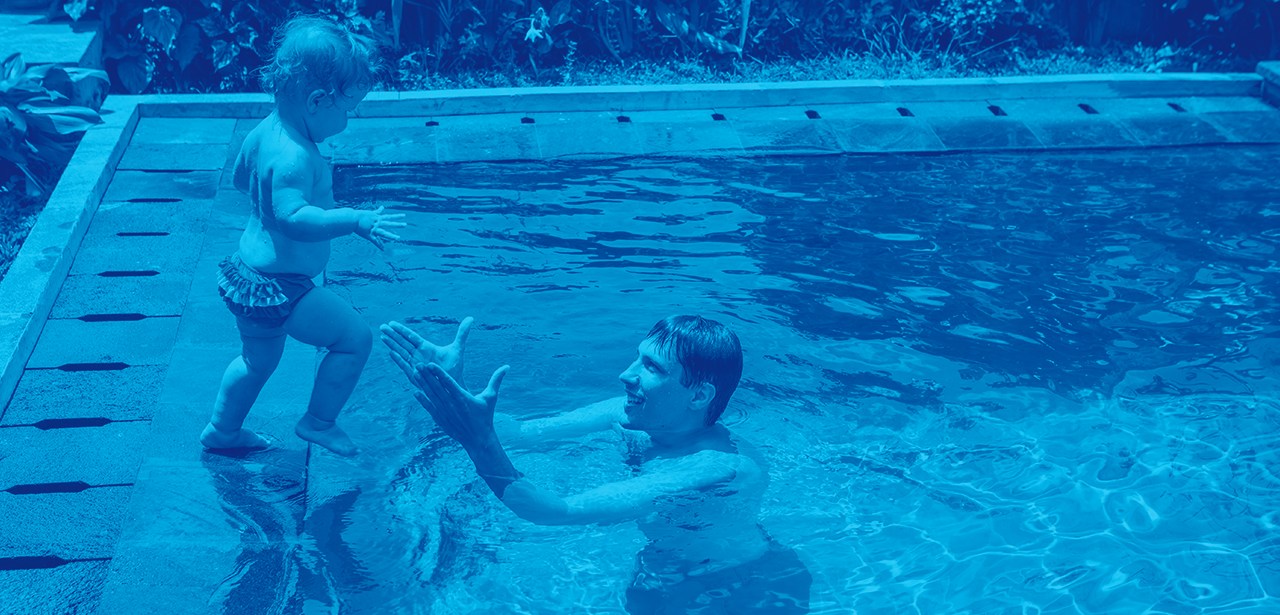

Swim safely by following these guidelines

As the summer season begins, Santé publique France is reminding everyone of the simple precautions to take to ensure safe swimming and is providing informational materials for healthcare professionals.

Drowning

thematic dossier

Drowning is the leading cause of accidental death among people under 25 in France, but it also affects other age groups.

Periods of extreme heat are ideal for swimming and water activities in the ocean, rivers, lakes, or swimming pools. These activities can lead to accidental drownings, which account for approximately 400 to 500 deaths each summer. From June 1 to September 30, data on emergency room visits for drowning and drowning incidents resulting in death at the scene are collected throughout mainland France and its overseas territories. This initiative is carried out by Santé Publique France and the National Water Safety Monitoring System to tailor prevention messages throughout the season. The data will be presented in interim reports published on our website throughout the summer and then in a final report at the end of the monitoring period.

Download

bulletin national

11 July 2025

Drowning Surveillance During the Summer of 2025. Bulletin of July 11, 2025.

What precautions and behaviors should you follow to swim safely

For a gradual and safe return to swimming, especially after a decrease in or absence of physical activity:

  • Take your physical condition into account;

  • Do not swim if you are feeling unwell (fatigue, health issues, chills, muscle aches, etc.);

  • Adjust the intensity of your swim to your abilities and do not overestimate your swimming level. When resuming swimming after a break, focus on short distances. Before going for a swim, make sure your physical condition allows you to return safely. Remember that swimming in natural environments (sea, lake, river) is more difficult and tiring than in a pool;

  • Do not hesitate to consult a doctor for guidance as you resume swimming.

For children, constant adult supervision

  • Before and during swimming, actively and constantly supervise young children

    • Never take your eyes off young children when they are playing near the water

    • Swim with young children when they are in the water

    • Assign one adult per child to supervise during swimming

  • Throughout the year, teach children to swim as early as possible and familiarize them with the aquatic environment from a very young age

    • Baby Swimmer (up to 3 years old)

    • Water confidence (ages 4 to 6)

    • Swimming lessons (ages 6 and up)

For adults, risks exist: adopt the right habits

  • Before and during swimming

    • Follow safety guidelines and swimming restrictions

    • Choose supervised swimming areas staffed by professional lifeguards1

    • Check the weather conditions

    • Postpone swimming if you feel unwell (fatigue, health issues, chills, etc.)

    • Avoid drinking alcohol before swimming

    • Let a family member or friend know before swimming

    • Enter the water gradually by wetting your head, neck, and stomach to avoid thermal shock, especially when there is a significant difference between water and air temperatures

  • All year round

    • It’s never too late to start learning to swim

[1] The regulations governing signage used on public beaches and swimming areas were updated as of March 1, 2022 (Decree No. 2022-105 of January 31, 2022, concerning signage used at swimming areas that are open to the public free of charge, developed, and authorized)

Resources and informational materials for healthcare professionals

presse

Drowning: Prevention and Vigilance Remain Essential

As the summer season approaches, Santé publique France has released its annual report on drownings that occurred during the summer of 2024: it highlights a persistently high number of drownings,...


news

Extreme heat affects us all: let’s take the right precautions

Here you’ll find simple tips to follow during periods of extreme heat or heat waves—applicable to everyone—as well as communication tools available for order by healthcare professionals.

Fortes chaleurs, canicule

Extreme heat, heat wave

thematic dossier

Heat waves can have a significant impact on health. It is therefore essential to take proper precautions. Certain measures must be put in place, especially for those most at risk.












