




The disease
High blood pressure (HBP) is the most common chronic condition in France, affecting nearly one in three adults—or 17 million people. It is one of the leading risk factors for cardiovascular and cerebrovascular diseases, as well as for kidney failure and dementia. High blood pressure is often associated with other cardiovascular risk factors, which increases the risk of cardiovascular and cerebrovascular complications.
It is defined by a persistent elevation of systolic blood pressure ≥140 mmHg or diastolic blood pressure ≥90 mmHg.
Blood pressure results from the force exerted by blood on the walls of the arteries. It causes structural abnormalities in the arteries that supply the brain, heart, kidneys, and other organs, thereby increasing the risk of stroke, ischemic heart disease, heart failure, aortic aneurysm, arrhythmias, peripheral artery disease, chronic kidney disease, or dementia.
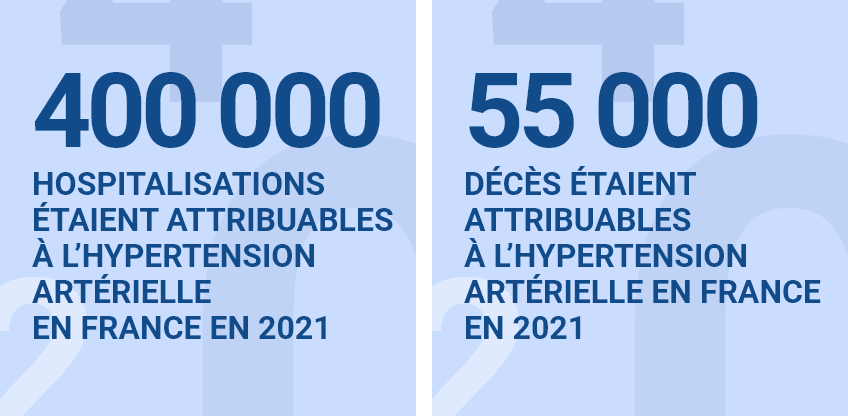
In 2021, nearly 400,000 hospitalizations and 55,000 deaths were attributable to high blood pressure in France. More than 1.15 million people were living with ischemic heart disease attributable to hypertension; 1.26 million with chronic kidney disease; and 358,000 with heart failure.
Key Facts About High Blood Pressure
Essential lifestyle and dietary management
The management of hypertension begins with lifestyle and dietary measures aimed at correcting associated risk factors and helping to lower blood pressure as well as overall cardiovascular risk. Numerous studies have demonstrated the effectiveness of these measures in reducing cardiovascular morbidity and mortality.
These lifestyle and dietary measures include:
Weight loss in cases of overweight
Engaging in regular physical activity appropriate for one’s health status
Reducing salt intake (less than 6 g/day)
Reducing alcohol consumption
A diet rich in vegetables and fruits and low in animal fats
Quitting smoking
If these new lifestyle changes do not result in normal blood pressure after three months, or if they are implemented alongside these measures immediately upon diagnosis, antihypertensive medications are prescribed.
Nevertheless, a significant proportion of people with hypertension remain undiagnosed today.
Those who are diagnosed are not always treated, and those who are treated do not always achieve normal blood pressure, which exposes them to numerous complications.
In relation to

Alcohol
thematic dossier
Alcohol is deeply rooted in French culture. Its consumption remains a major cause of death and illness in France.

Nutrition and Physical Activity
thematic dossier
Nutrition and physical activity are two major determinants of health that contribute to improving the health of the population and are key priorities in public health policy.

Tobacco
thematic dossier
Despite a slight decrease compared to 2015, tobacco remains responsible for more than 68,000 premature deaths in 2023—accounting for 11% of total mortality—making it still the leading cause of...











