


A participatory epidemiological study of the health of residents living near the Lacq industrial basin: protocol
surveys/studies
Participatory Study on the Health of Residents Living Near the Lacq Industrial ...

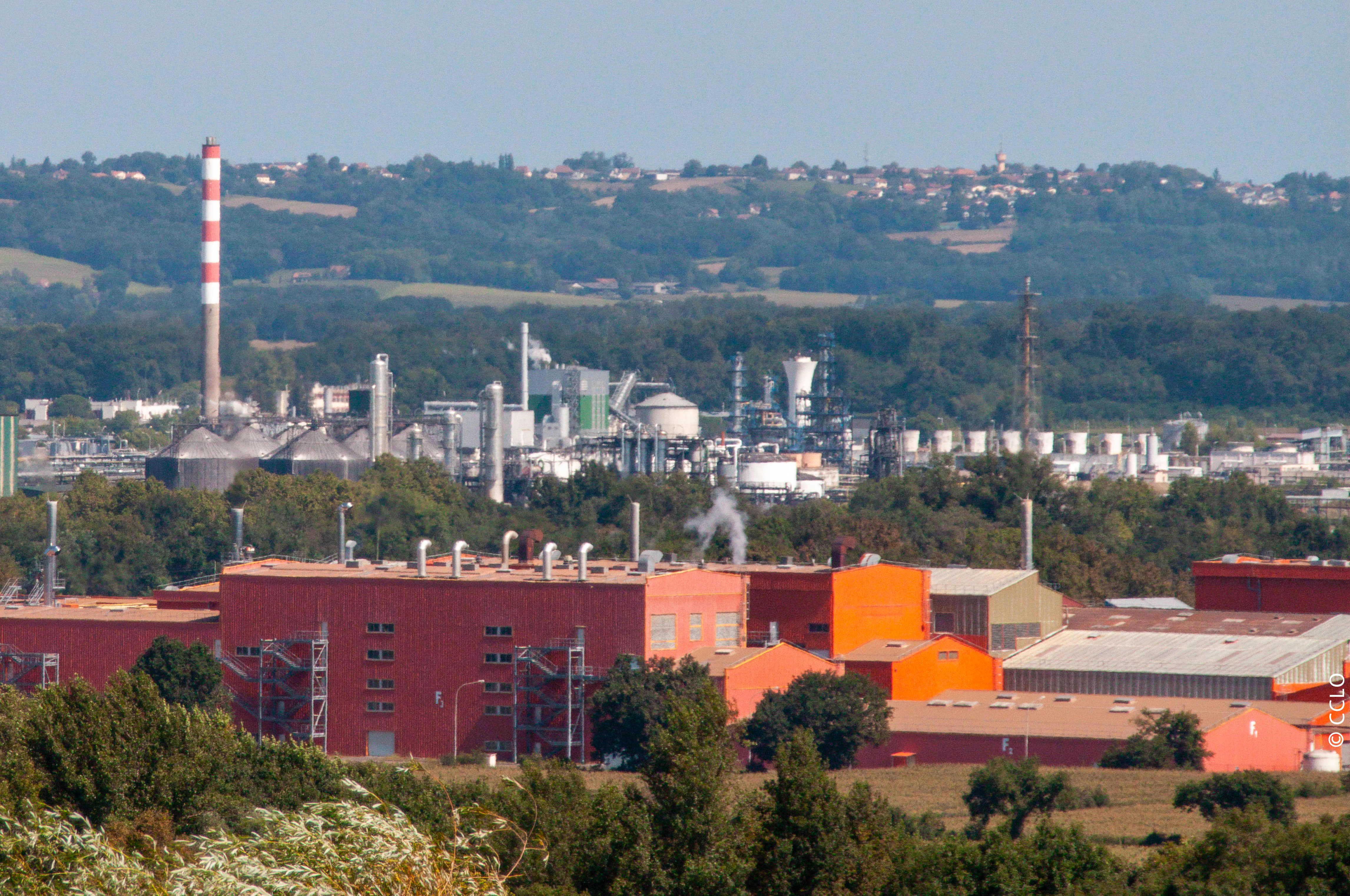
The Lacq industrial complex (Pyrénées-Atlantiques) is home to numerous industrial activities in the chemical and petrochemical sectors. In late 2015, the Directorate General for Health referred the matter to Santé publique France, asking whether it would be appropriate and feasible to conduct epidemiological surveillance of the health of the populations living near this industrial complex. In response, Santé publique France launched a mixed qualitative-quantitative approach in 2016 comprising four complementary studies conducted sequentially: A qualitative analysis of expectations and the local context, published in May 2019; A geographic mortality study, published in November 2021; A geographic morbidity study, currently underway; A cross-sectional study of perceived health, initiated in late 2021 and termed the “participatory health study,” which is the subject of this protocol. The need for an epidemiological study on perceived health and quality of life was confirmed by the analysis of the local context, as it addresses public health concerns expressed by healthcare professionals, community organization representatives, and local residents. This work, conducted using a participatory approach, involves the affected population in all stages of defining and carrying out the study through the organization of collaborative citizen workshops and the inclusion of local stakeholders in its thematic support committee. The objective is to describe the health status and quality of life of the population residing around the industrial basin and to assess their associations with perceived exposure to industrial activities. This is a cross-sectional survey conducted via stratified sampling on a random sample of the population residing in the study area. This area comprises 99 municipalities located around the four industrial platforms of the Lacq basin. The municipalities are divided into three concentric zones following a decreasing gradient of exposure. These “exposure zones” define the residential areas of local residents who will be randomly selected (strata) from a database of members of the general and agricultural health insurance schemes. Data will be collected individually via a questionnaire covering health status (symptoms, chronic diseases, perceived health, generalized anxiety), perceived environmental exposures, and perceptions and attitudes toward the industrial basin. Data collection follows a sequenced multimodal strategy: self-administered online questionnaire, followed by data collection by an interviewer via telephone and then in person. The plan is to survey 2,000 adults and 725 children; one child will be selected at random per household, and their health will be assessed indirectly through the parent being interviewed. Descriptive analyses (comparison of health indicators between exposure zones and between the study area and the national population) and association studies (regression models, mediation models) between perceived exposure to industrial pollution and observed health outcomes will be conducted.
Author(s): Coquet Sandrine, Siguier Anna, Perrey Christophe, Empereur-Bissonnet Pascal, Roudier Candice, Ruello Marc, Zeghnoun Abdelkrim, Carcaillon-Bentata Laure
Publishing year: 2026
Pages: 60 p.
Collection: Method
In relation to
Our latest news

news
Call for Nominations for the Renewal of the Scientific Advisory Board of the...

news
Growing Up with Screens. A special report in *La Santé en action* No. 474,...

news












