



Trauma
Drowning: A Risk That Affects All Ages and All Swimming Areas
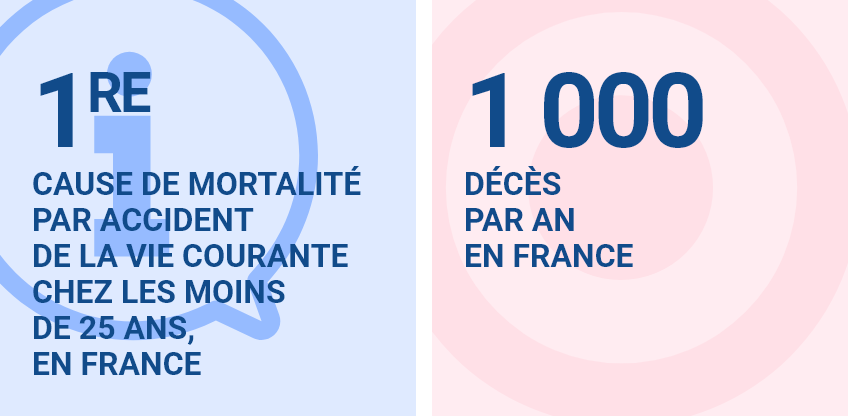
In France, accidental drownings account for approximately 1,000 deaths each year (half of which occur during the summer), making them the leading cause of accidental death among people under 25. Yet most of these deaths are preventable.
Drowning among children under 6
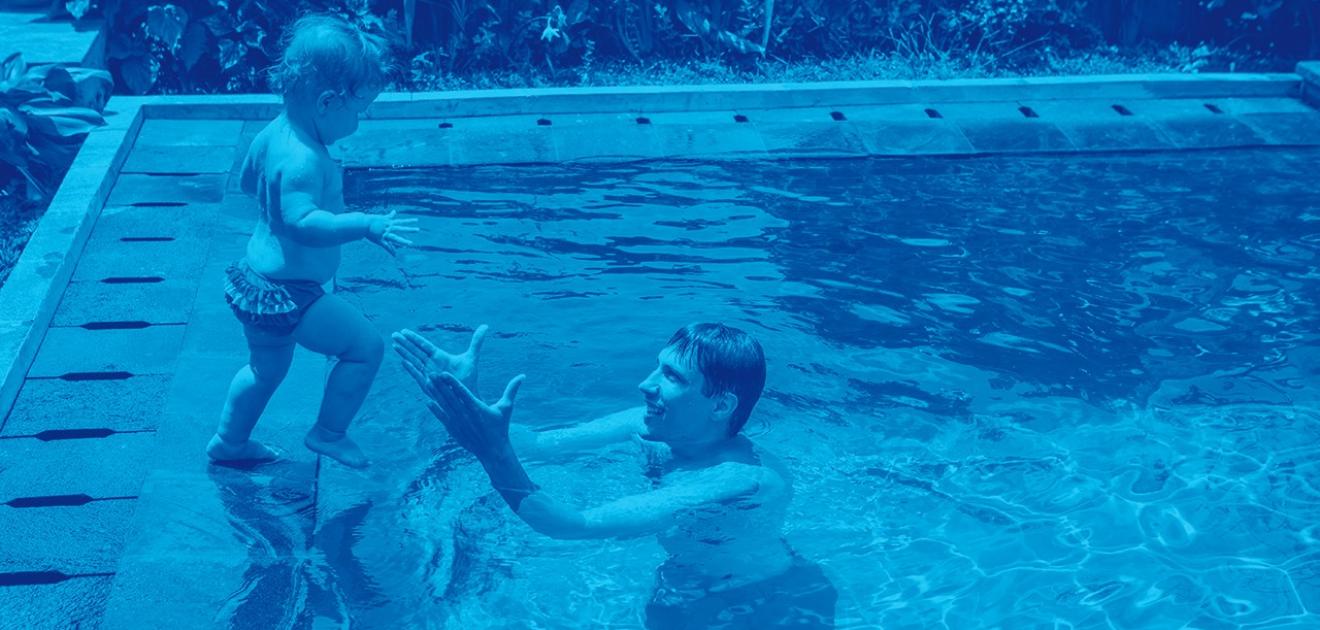
Accidental drownings among children under 6 occur mainly in private family pools. They rarely result in death. Generally speaking, drownings among very young children are primarily due to a lack of or lapse in supervision by the responsible adult while the child is swimming, especially if the child cannot swim or may react inappropriately.
Drowning among children aged 6 to 12
Accidental drownings among children aged 6 to 12 occur primarily in the ocean but also in swimming pools (both private and public) and in rivers and other bodies of water. Drownings in this age group rarely result in death. The circumstances reported in drowning cases vary: exhaustion, inability to swim, lack of supervision, a fall, or the presence of currents and rip currents (for drownings in natural settings).
Drownings among children aged 13 to 24
Accidental drownings among 13- to 24-year-olds occur primarily in natural settings (the ocean, rivers, and lakes). The proportion of drownings resulting in death is higher in rivers and lakes than in the ocean. The circumstances reported at the time of the drowning are primarily exhaustion and the presence of currents and eddies.
Drownings among adults aged 25 to 44
Accidental drownings among adults aged 25 to 44 occur primarily in natural settings (the ocean, rivers, and lakes). The proportion of drownings resulting in death is higher at sea than in the previous age groups and remains high in rivers and lakes. In addition to the drowning circumstances already identified in the previous age groups (exhaustion, falls, the presence of currents and eddies), alcohol consumption is also a factor.
Drownings Among Adults Aged 45 and Older
From age 45 onward, accidental drownings occur primarily at sea. The proportion of drownings resulting in death is higher than for other age groups, whether death occurs at the scene of the drowning or following hospitalization. Fainting is the most commonly reported circumstance, particularly among those aged 65 and older, and leads to death in one out of every two cases.
Key statistics on drowning
Tips for Safe Swimming
Never take your eyes off children, and swim with them:
- Actively and constantly supervise young children
- Never take your eyes off young children playing near the water
- Swim with young children
- Assign one adult per child to supervise while swimming
Learning to swim is key
- Familiarize children with the aquatic environment from a very young age and teach them to swim as early as possible:
- Baby Swimmer (up to age 3);
- Water confidence (ages 4 to 6);
- Swimming lessons (ages 6 and up).
No matter your age, it’s never too late to learn to swim.
To ensure swimming remains a pleasure, let’s be careful and vigilant
- Follow safety guidelines and avoid swimming in restricted areas
- Choose supervised swimming areas, secured by professional lifeguards
- Check the weather conditions
- Listen to your body and postpone swimming if you’re tired or have health issues…
- Let a loved one know before you go swimming
- Enter the water gradually by wetting your head, neck, and stomach to avoid thermal shock, especially when there is a significant temperature difference between the water and the air
For older adults or those with health-related risk factors
- Adjust the intensity and distance of your swim to your abilities: take your fitness level into account and do not overestimate your swimming ability
- Consult your doctor or pharmacist, especially if you have a chronic condition (heart disease, epilepsy, etc.) or are taking medication.
Alcohol and drowning risk
Alcohol consumption:
- impaired judgment and increased risk-taking;
- dilates blood vessels, increasing the risk of hypothermia;
- reduces the responsiveness of the airways, lowering the chances of survival in the water.
Avoid drinking alcohol before and during swimming or water activities.
Drink water to stay hydrated.
If you have consumed alcohol:
- do not operate any watercraft (boats or jet skis);
- stay away from the water’s edge (shores, banks, docks) to avoid falling into the water.
[1] The regulations governing signage used on public beaches and swimming areas were updated as of March 1, 2022 (Decree No. 2022-105 of January 31, 2022, regarding signage used for swimming areas that are open to the public free of charge, developed, and authorized)











