



G7 Summit in Evian: Enhanced Health Monitoring
As part of the G7 presidency, which will take place from June 15 to 17, 2026, in Evian (Haute-Savoie), the Auvergne-Rhône-Alpes regional unit of Santé publique France is mobilized to provide support and expertise for the implementation of a monitoring and surveillance system tailored to this type of event.
The G7 will host several prominent figures and delegations throughout the event, with an estimated 45,000 people expected to be present in this area of Evian. Like any large gathering, this event poses public health challenges that require heightened vigilance on the part of health authorities. That is why Santé publique France, through its regional unit and under the coordination of the Auvergne-Rhône-Alpes Regional Health Agency (ARS), is mobilized to implement a specific system for public health monitoring and epidemiological surveillance of the population during the event and in the affected area.
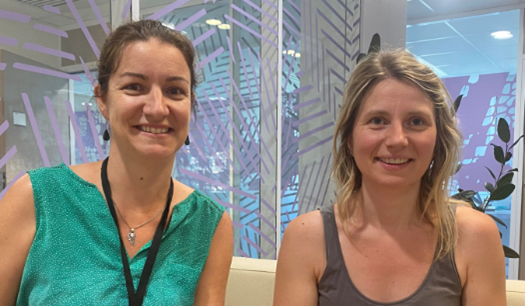
3 questions for Delphine Casamatta and Erica Fougère, scientific researchers at Santé publique France Auvergne-Rhône-Alpes
How does Santé publique France prepare for this type of event?
Over the past six months, we have worked with the ARS to map health risks, define the timeframe and scope of the surveillance area, and inform and raise awareness among healthcare professionals about reporting unusual health events. All of this work has been compiled into a surveillance protocol shared with our partners, which includes guidelines for reporting findings.
Throughout the G7 summit, this specific health response plan—which involves various healthcare stakeholders (first-aid stations, SMUR teams, and PMA), including the Regional Cell—is coordinated by the ARS. At the same time, coordination with public health services in Switzerland is being established.
What are the potential risks?
Any large gathering of people can lead to increased health risks, particularly due to:
- the concentration of a large number of people in the same place at the same time, which can, for example, facilitate the spread of diseases with epidemic potential or lead to an increase in the number of injuries (crowd surges, etc.);
- a greater number of people being exposed to environmental hazards, such as heat waves and air pollution;
- malicious acts, particularly terrorist attacks that may involve radiological, biological, chemical, or explosive agents.
What surveillance measures are in place, and what types of indicators are collected?
The health surveillance system in place aims to detect at an early stage any epidemic phenomenon (cases of diseases requiring urgent preventive measures—such as invasive meningococcal disease or measles— environmental pollution, or clusters of cases suggesting a common source of infection and warranting an investigation to identify and control that source (such as a foodborne illness outbreak…). This contributes to the rapid launch of epidemiological investigations into these cases and thus helps in the implementation of corrective and preventive measures.
In practice, surveillance relies on reports submitted to the ARS by healthcare professionals regarding unusual events (clusters of cases of the same disease or unexplained deaths) or notifiable diseases, and on morbidity data derived from emergency department activity and the SOS Médecins associations (SurSaUD®). These surveillance efforts, conducted year-round, will be intensified for the duration of the event. Healthcare professionals have been briefed on the appropriate procedures to follow when faced with certain risks (such as imported infectious diseases).
Has Santé publique France ever been mobilized for similar events?
In recent years, Santé publique France has been mobilized for other events spanning multiple geographic areas. Examples include the Armada de Rouen, the 2023 Rugby World Cup, and the 2024 Summer Olympic and Paralympic Games. Each event required the implementation of a specific and tailored surveillance system for the population.












