



Swim Safely by Following the Right Steps
During the current heat waves and throughout the summer, Santé publique France is reminding the public of the simple precautions everyone should take to stay safe while swimming and is providing informational materials for professionals.

Learn more
Drowning Monitoring During the Summer of 2026
Periods of extreme heat are ideal for swimming and water activities in the ocean, rivers, lakes, or swimming pools. These activities can lead to accidental drownings, which account for approximately 400 to 500 deaths each summer. From May 1 to September 30, data on the number of emergency room visits due to drowning and drowning incidents resulting in death at the scene are collected throughout mainland France and its overseas territories. This initiative is carried out by Santé Publique France and the National Water Safety Monitoring System to tailor prevention messages throughout the season. The data will be presented in interim reports published on our website throughout the summer and then in a final report at the end of the monitoring period.
What precautions and behaviors should you follow to swim safely?
- Follow safety guidelines and avoid swimming in prohibited areas
- Choose supervised swimming areas staffed by professional lifeguards
- Check the weather conditions
- Listen to your body and postpone swimming if you’re tired or have health issues…
- Let a loved one know before you go swimming
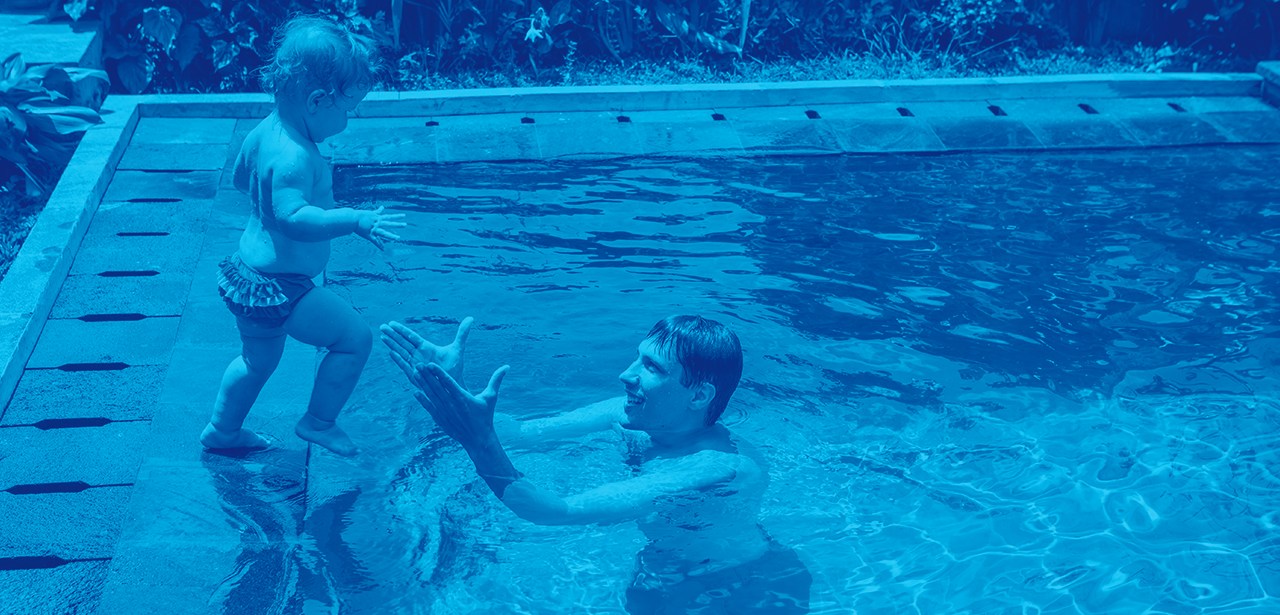
Never take your eyes off children and swim with them
- Actively and constantly supervise young children
- Never take your eyes off young children playing near the water
- Swim with young children
- Assign one adult per child to supervise them while swimming
Learn to swim
- Familiarize children with the water from a very young age and teach them to swim as early as possible:
- Baby Swim (up to age 3);
- Water confidence (ages 4 to 6);
- Swim lessons (ages 6 and up).
- No matter your age, it’s never too late to learn to swim.
- Enter the water gradually by wetting your head, neck, and stomach to avoid thermal shock, especially when there is a significant temperature difference between the water and the air.
For older adults or those with health-related risk factors
- Adjust the intensity and distance of your swim to your abilities: take your fitness level into account and don’t overestimate your swimming ability.
- Consult your doctor or pharmacist, especially if you have a chronic condition (such as heart disease or epilepsy) or if you are taking medication.
Alcohol and the Risk of Drowning
Alcohol consumption impairs judgment and increases risk-taking; it dilates blood vessels, increasing the risk of hypothermia; and it reduces the responsiveness of the airways, lowering the chances of survival in the water.
- Avoid drinking alcohol before and during swimming or water activities.
- Choose water to stay hydrated.
- If you have consumed alcohol:
- do not operate any watercraft (boats or jet skis);
- stay away from the water’s edge (shores, banks, docks) to avoid falling into the water.
Tools and informational resources for healthcare professionals
- Swim Safely: Now Between the Red and Yellow Flags (poster)
- How to Swim Safely (poster in French and English)
- Swimming: Be Aware of Child Drowning (infographic)
- Swimming: Be Careful During Heat Waves (infographic)
- Swim Safely (poster in French and English)
See also
- Swimming and Water Activities | sante.gouv.fr
- Swimming Safely - Drowning Prevention (sports.gouv.fr)
- Accidental Drownings—Summer 2025 Report | Santé publique France

news
The heat wave affects us all: let's take the right precautions
Here you'll find simple tips for everyone to follow during periods of extreme heat or heat waves, as well as communication tools available for professionals to order.

Extreme heat, heat wave
thematic dossier
Heat waves can have a significant impact on health. It is therefore essential to take proper precautions. Certain measures must be put in place, especially for those most at risk.
Drowning
thematic dossier
Drowning is the leading cause of accidental death among people under 25 in France, but it also affects other age groups.












