


The First Heat Wave and UV Exposure: Simple Steps Everyone Can Take
Santé publique France is reminding the public of some simple guidelines that everyone—including healthy individuals—should follow to best protect themselves from the effects of heat and UV exposure.
UV
thematic dossier
Ultraviolet radiation, which is everywhere, is emitted naturally by the sun or by artificial sources. It is responsible for various health conditions, including certain types of skin cancer.
With the arrival of warmer weather, the first heat waves are beginning to be felt in some parts of the country. We all enjoy the sun and know its benefits: it boosts our mood and helps our bodies produce vitamin D. However, we sometimes forget that it can also pose risks. As part of its monitoring and prevention efforts, Santé publique France is reminding the public of the steps to take to protect themselves from the heat and UV rays. These recommendations apply throughout the summer when it is hot and the UV index rises.
Exposure to ultraviolet (UV) radiation, whether natural or artificial, remains the leading cause of skin cancers, including melanoma. Each year, 80,000 new cases of skin cancer are diagnosed. Heat can have health effects ranging from simple discomfort to death.
For real-time temperature and UV index updates, check out the Météo-France forecast map
Simple tips and steps to help prevent heat-related effects
Drink water frequently
Cool off regularly
Avoid going outside during the hottest hours (until 7 p.m.)
Opt for low-effort activities during the hottest hours
Keep your home cool
Never leave anyone alone in a car, especially a child, even for a very short time, as the temperature inside the vehicle can rise very quickly (this also applies to pets)
Simple tips and steps to limit your exposure to UV rays
Wear long-sleeved clothing, a wide-brimmed hat, and sunglasses
Choose Category 3 sunglasses (note: some sunglasses, even with dark lenses, do not protect against UV rays)
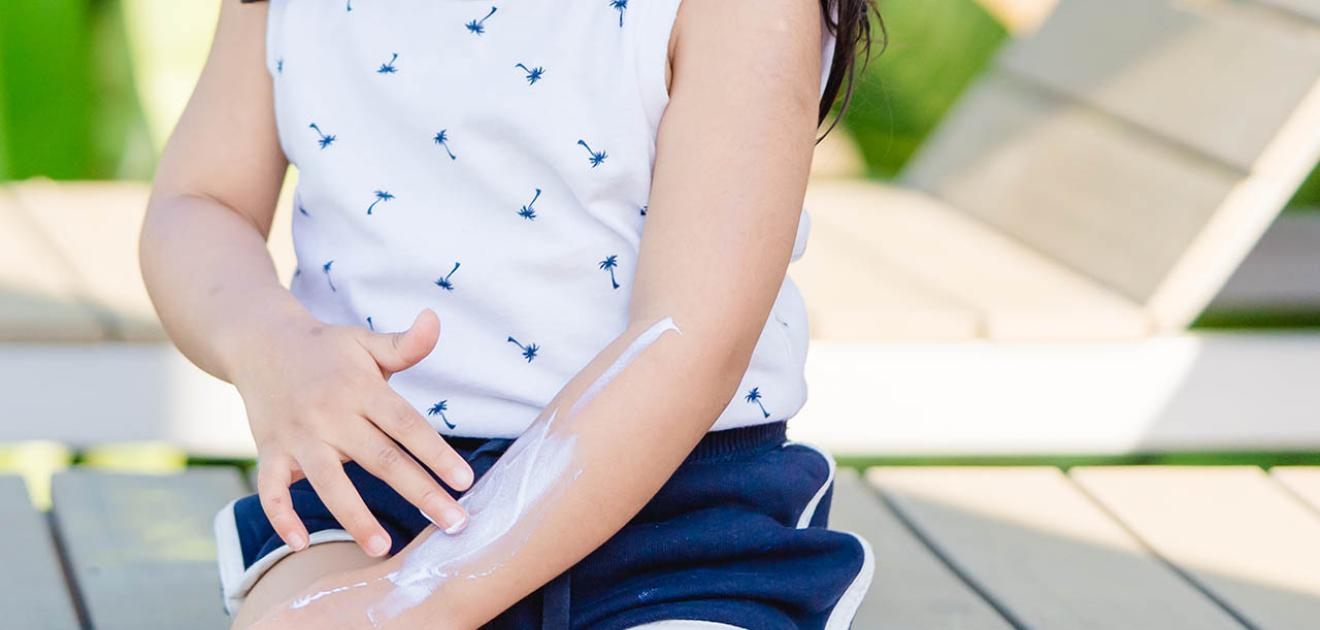
In addition to these measures, sunscreen can be applied to exposed areas
Never expose a child under one year of age to the sun
Sun exposure and the SPF of any sunscreen used vary depending on the UV index
When the UV index is between 3 and 7
Between noon and 4 p.m., seek shade
Use sunscreen with an SPF of at least 30+
When the UV index is between 8 and 10, as is currently the case in many regions
Avoid sun exposure between noon and 4:00 p.m.
Use sunscreen with an SPF of at least 50+
When the UV index is 11 or higher
Avoid all sun exposure between noon and 4:00 p.m.
Use sunscreen with an SPF of at least 50+
thematic dossier
The First 1,000 Days
The period from conception through the first two years of life is critical for a child’s development and the health of the adult they will become. That is why it is essential to prioritize the...












