


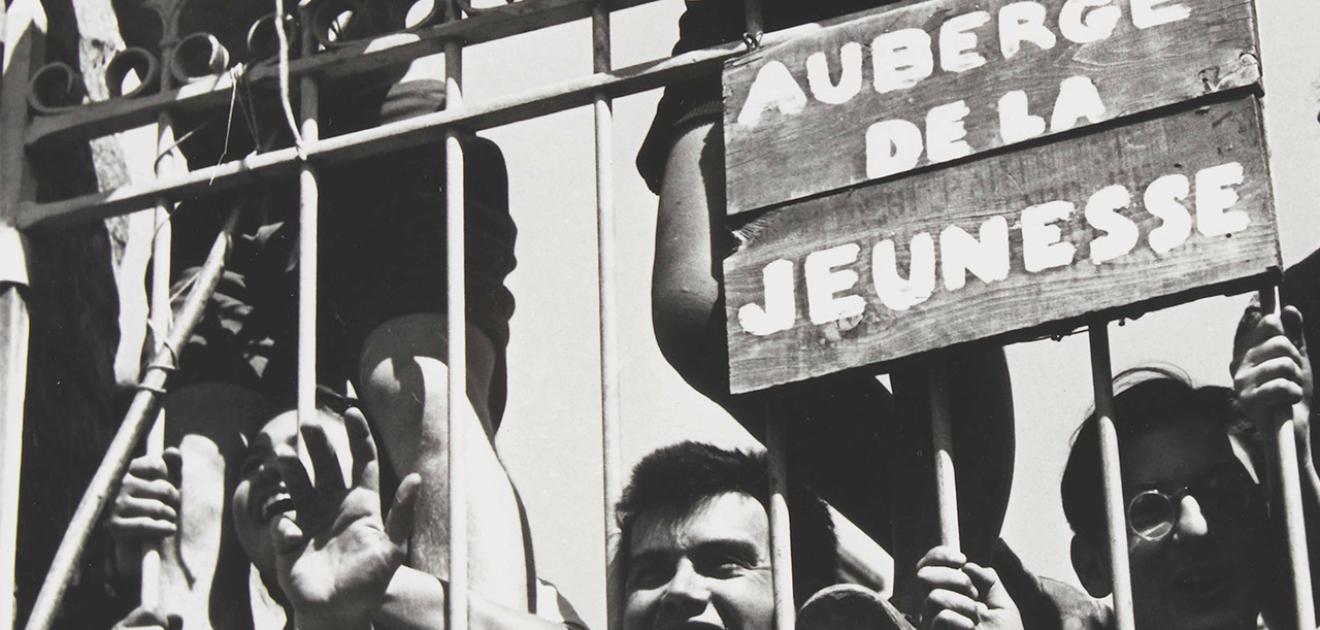
A Comprehensive and Positive Approach to Sex Education for Young People: The Feature Article in *La Santé en action* No. 465, January 2024
In the latest issue of its journal *La Santé en action*, Santé publique France has published a special feature on sex education for young people—a legal requirement enshrined in the Education Code—whose approach has undergone a profound transformation in recent years to better prepare young people for fulfilling emotional, relational, and sexual lives.
Subscribe to the magazine
To receive the newsletter via email announcing each new issue and providing free access to the issue
Sex education for young people is not a given. This is evident in the tensions surrounding the topic, which remain high in 2023 and are particularly evident on social media. Although the law of July 4, 2001, mandates that all students, from first grade through high school, receive at least three annual sessions on the subject, fewer than 15% of elementary school children and fewer than 20% of middle school students have actually benefited from them. A coalition of organizations working in the field of sexuality (family planning, Sidaction, etc.) submitted a white paper to the Senate on November 6, 2023, containing 46 recommendations to bring about change.
The special report in issue No. 465 of La Santé en action, dedicated to sex education for young people, therefore comes at an opportune moment. It is an opportunity to clarify the key issues surrounding sex education, which, beyond the private sphere, is not limited to interventions within the school system. The aim is to demonstrate how the approach to this issue has evolved over the past several years, becoming part of a comprehensive vision of health and well-being; to shed light on the constraints hindering its implementation; and to highlight the risks and potential of the internet and social media.
A broad concept of sexuality, integrated into individuals’ overall health
There is a consensus among relevant professionals regarding a comprehensive and positive approach to sexuality education. It is no longer a matter of reducing it to risk prevention (unwanted pregnancies, sexually transmitted infections, etc.), but rather of making it an integral part of public health policy. Thus, “sex education classes” do much more than address sexual practices; they aim to provide knowledge and develop skills that will enable young people to lead fulfilling emotional and sexual lives, with respect for themselves and others. This is what two marriage and family counselors attest to, as they work in classrooms where topics such as self-respect, respect for others, pleasure, and consent are discussed…
This learning begins at a very young age, in a gradual manner as recommended by UNESCO (United Nations Educational, Scientific and Cultural Organization) in its guide “International Guidelines on Sexuality Education.” It is based on strengthening psychosocial skills, many of which (such as managing emotions or the capacity for empathy and communication) are essential for engaging in healthy emotional and sexual relationships, preventing gender-based and sexual violence, and ensuring consent. This is what is offered in the Feel Good program for children ages 9 to 11 by the Regional Center for AIDS Information and Prevention and Youth Health in the Île-de-France region (Crips IdF), where participants work on empathetic listening and how to respond to unpleasant situations.
This report highlights how much adolescents are seeking answers to the questions they have about romantic feelings, the “first time,” their sexual orientation, or gender identity. Tools exist—though they may not necessarily be aware of them—such as Fil Santé Jeunes or the onSEXprime.fr website, which provide them with free spaces for dialogue, guaranteeing anonymity and confidentiality.
Sex education faces various challenges
The level of sexual violence, even as societal awareness grows, highlights just how far we still have to go before “comprehensive” sex education can have a real impact. It is also worth noting that effective interventions in this area, which have proven their worth, remain too few and far between in France. Not to mention that the implementation of sex education sessions in schools faces multiple obstacles of various kinds: schools are on the front lines of “educating” students about citizenship, environmental respect, road safety… which creates organizational challenges; on the other hand, since every adult has their own perceptions of sexuality, shaped by their cultural conditioning, anything related to this intimate sphere is socially and politically sensitive, fueling reluctance on the part of the educational community, parents, and young people themselves. Finally, while professionals are trained to lead sex education sessions, they do not have an easy task, as they are often working alone in the field.
The Impact of the Internet and Social Media
In recent years, the growing role of communication technologies has had a significant impact on emotional and sexual education. Certainly, the internet presents an opportunity, particularly by enabling outreach to audiences socially or geographically distant from traditional intervention sites, but also by offering interactive and engaging tools (videos, games, etc.) designed to capture the interest of adolescents. But the vast digital space also offers content of poor quality or that amounts to misinformation. Thus, without realizing it, young people expose themselves online to more serious dangers such as cyberbullying, revenge porn, blackmail involving intimate videos, and access to the most explicit pornography… Educational needs are just as important here to protect against these dangers; young people must also be able to break free from a standardized view of sexuality, which requires deciphering the representations conveyed by the media, whether digital or not. This is what the Center for Media and Information Education (Clémi) is working toward, notably through the annual “Zero Cliché” contest for gender equality organized in schools.
Learn more

magazines/revues
14 October 2026
Health in Action, January 2024, No. 465: Sex Education for Young People: A Comprehensive and Positive Approach
1 Report by the General Inspectorate of Education, Sports, and Research. Sex Education in Schools. July 2021.
Sexual health
thematic dossier
Santé publique France focuses in particular on four areas of sexual health: sexually transmitted infections, including HIV; contraception; combating discrimination; and violence.
Let's express ourselves
First experiences, puberty, romantic relationships, and safe sex—the Onsexprime website is dedicated to young people’s sexuality and everything related to it, offering educational...












