



The disease
Streptococcus pyogenes, commonly known as group A beta-hemolytic streptococcus (GABHS), is a bacterium found exclusively in humans. Group A streptococcus is most often responsible for mild infections of the ENT tract or skin, such as tonsillitis, pharyngitis, scarlet fever (a toxic manifestation of the infection), erysipelas, and impetigo. More rarely, it can cause serious infections.
When streptococci spread to a normally sterile site, such as the blood (bacteremia or sepsis), cerebrospinal fluid (meningitis), or a joint (arthritis), streptococcal infections are referred to as invasive (IISGA).
Severe infections may include:
skin or subcutaneous lesions as well as soft tissue infections;
infections of the endometrium (endometritis) or other infectious complications occurring after childbirth;
pleuropneumonias (conditions affecting both the lungs and the membrane surrounding the lungs).
These infections may be associated with streptococcal toxic shock syndrome (STSS) linked to superantigenic exotoxins and manifesting as signs of shock associated with multiple organ failure, a skin rash, and/or mucosal lesions. Such infections are rare but can be severe and most often require hospitalization.
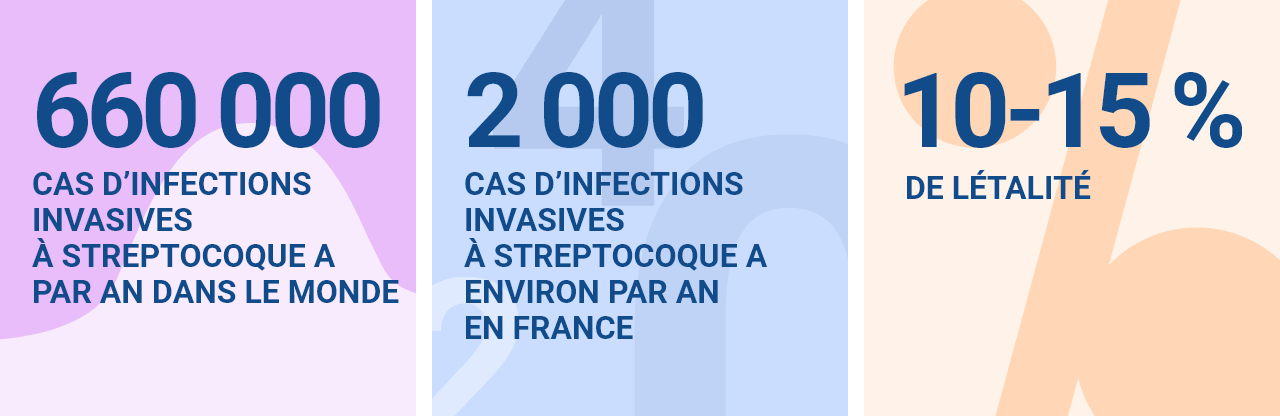
The case-fatality rate for invasive Group A streptococcal infections is estimated at approximately 10%–15%. It is higher in cases of associated STSS, ranging from 30% to 45%. Post-streptococcal aseptic complications are characterized by an inflammatory syndrome occurring 1 to 6 weeks after an initial symptomatic or asymptomatic infection (e.g., acute rheumatic fever).
Key Statistics on Invasive Group A Streptococcal Infections
What are the symptoms of the disease?
Symptoms of a non-invasive Group A streptococcal infection include:
fever;
sore throat (pharyngitis);
skin infections such as:
impetigo (sores that may blister and form a honey-colored crust);
erysipelas (a bright red skin infection);
scarlet fever (a rash that may feel rough like sandpaper, is worse in skin folds, and may cause the skin to peel as it fades).
Invasive Group A Streptococcal (iGAS) infections are rare and can cause serious symptoms and signs, such as:
fever and shortness of breath due to pneumonia;
fever, severe pain, and redness caused by the breakdown of connective tissue under the skin due to necrotizing fasciitis;
fever, chills, muscle pain, nausea, and vomiting.
After the first symptoms appear, it usually takes only 24 to 48 hours for low blood pressure to develop. Once this happens, SCTS quickly becomes much more severe:
tachycardia (faster-than-normal heart rate);
tachypnea (rapid breathing);
organ failure (other signs indicating that the organs are not functioning).
How are Group A streptococcal infections spread?
Group A streptococcus is found in the throat. GAS is transmitted from person to person through close contact with an infected person or an asymptomatic carrier via the airborne route (oropharyngeal droplets), through direct contact (for example, contact with an infected wound), or, more rarely, indirectly (through objects or surfaces). Outbreaks of foodborne GAS have been reported. An open wound facilitates transmission through direct contact. Asymptomatic carriage is estimated at about 10% and is more common among young people.
How is the disease diagnosed?
The laboratory diagnosis is based on the isolation of the bacterium (positive culture) or a positive rapid diagnostic test (RDT) for SGA or a positive PCR from a normally sterile site (blood, cerebrospinal fluid (CSF), synovial fluid, pleural fluid, pericardial fluid, bone, endometrium, or deep tissues during surgery).
Antibiotic treatment
Currently, beta-lactam antibiotics are widely used as the primary treatment for streptococcal infections.
Prevention of Group A Streptococcal Infections
There is no vaccine against Group A streptococcal infections; prevention relies on screening, rapid diagnostic tests (RDTs) that provide results in less than 10 minutes—available at doctors’ offices or pharmacies—treatment of infected individuals, and antibiotic prophylaxis for at-risk contacts.
What steps should be taken to avoid the risk of transmission?
To limit the risk of transmission of Group A streptococcal infections, it is recommended to follow the same preventive measures used against winter viruses:
Wash your hands frequently with soap and warm water or an alcohol-based hand sanitizer, especially:
before eating or preparing food;
after coughing or sneezing;
after using the restroom or changing a diaper;
frequently clean and disinfect surfaces and objects that are touched by many people;
cover your coughs and sneezes with a tissue or the crook of your elbow;
wear a well-fitting mask in indoor public places;
improve indoor ventilation, for example by opening a window or door;
stay home when you are sick.












