
Information accessible to everyone
Santé publique France offers tools designed for people who have difficulty accessing information.



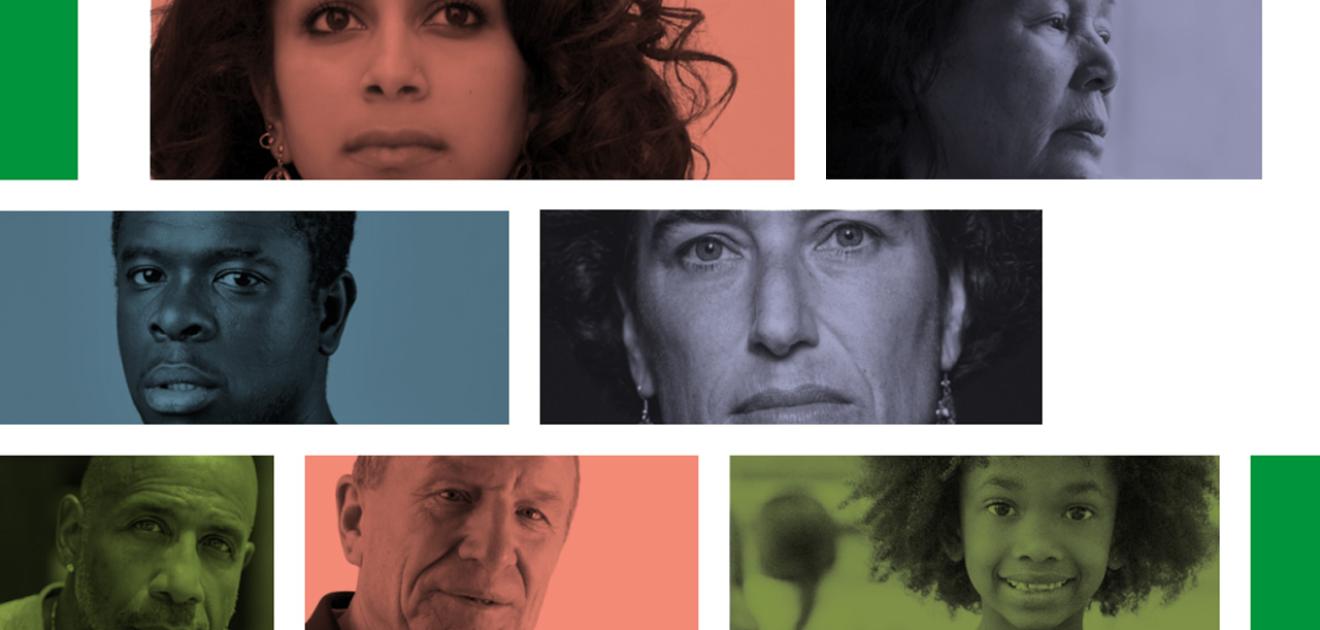
Access to prevention, care, and support remains difficult for foreign nationals in vulnerable situations. To mark World Refugee Day on June 20, 2025, Santé publique France is promoting the tools available to professionals as well as multilingual informational materials designed for migrants.
Santé publique France offers tools designed for people who have difficulty accessing information.
Access to prevention, care, and support remains difficult for foreign nationals in vulnerable situations. To mark World Refugee Day on June 20, 2025, Santé publique France is promoting the tools available to professionals as well as multilingual informational materials designed for migrants.
The physical and mental health needs of refugees and migrants can vary greatly, depending on their experiences in their country of origin, their migration journey, entry and integration policies, and the living and working conditions in their host countries. These experiences can make refugees and migrants more vulnerable in terms of health and access to prevention and care. Numerous partnerships with organizations, particularly with Comede (Committee for the Health of Exiles), enable us to better understand the needs of those affected and of healthcare professionals, and to collaboratively develop tools to facilitate access to information and support professionals involved in prevention, care, and support for vulnerable foreign nationals.
World Refugee Day is an annual opportunity for Santé publique France to promote the tools and informational materials made available to organizations and professionals to improve the care and health of refugees and migrants living in France.
Launched in 2024, “Mon bilan prévention” allows anyone to schedule a free appointment with a doctor, pharmacist, nurse, or midwife to discuss their health and receive personalized preventive care advice. It is offered at several key ages: 18–25, 45–50, 60–65, and 70–75. Fully covered by the French Health Insurance system, it is accessible to individuals covered by the AME.
To make preventive health screenings more accessible to vulnerable populations, Santé publique France has collaborated with professionals and organizations to develop a series of resources:
An educational brochure for outreach professionals with ready-to-use guidelines for discussing the program.
A poster for reception centers, shelters, and waiting rooms.
An informational flyer and video for people in vulnerable situations, designed with health literacy in mind and available in multiple languages.
5 educational videos, in partnership with Africa Radio and comedian Sélavie, covering various prevention topics for people from sub-Saharan Africa:
Designed by the Comede team and produced in partnership with Santé publique France, this guide aims to provide solutions to the most common health issues faced by refugees. First published in 1997, the Comede Guide is now in its 5th edition, with a completely redesigned version set for release in 2023.
Thanks to its hybrid format, the Comede Guide aims to better meet the needs of professionals with two complementary resources:
a reference book, available for order and download,
a website, guide.comede.org, useful for fieldwork and regularly updated with new thematic fact sheets and resources.
Communication is an essential element in patient care, and linguistic diversity creates certain barriers that can lead to difficulties in accessing care and prevention services. This is why Santé publique France provides information materials accessible to all that take health literacy into account, as well as materials translated into various languages.
Developed in collaboration with Comede and several partner organizations, these bilingual health booklets are designed for migrants in vulnerable situations. Available in 17 languages, they cover key health and prevention topics as well as access to rights.
a postcard that translates the names of 15 diseases on the French vaccination schedule into 7 languages (English, Arabic, Dari, Spanish, Ukrainian, Russian, and Turkish). Its purpose is to help people understand the names of vaccine-preventable diseases;
a brochure titled “Vaccines for All Ages: 2025 Schedule” that presents the vaccination schedule for all stages of life in an educational and visual format;
a postcard featuring the simplified 2025 vaccination schedule, available in 5 languages: English, Arabic, Spanish, Mandarin, and Turkish. It lists the recommended vaccines based on one’s situation, as well as the vaccines needed to achieve basic immunity, along with advice on boosters and potential delays in the vaccination schedule.
A catalog of resources on sexual health for non-French-speaking populations—that is, people who live in France but whose first language is not French.
In particular, the following are offered:
A series of three photonovels created in partnership with the association Vers Paris sans sida, to discuss testing, TasP, and PrEP. These materials are intended for people from sub-Saharan Africa.
Brochures and flyers:
Mpox info (French version – English version)
Santé publique France is a partner of the Ikambere Association and supports the IKIGALI project, for which a series of videos titled "Ikambere’s Healthy Recipes" was produced. Essential dishes of African cuisine, reimagined to meet the needs of women living with chronic illnesses, are presented by two professionals from the association who provide step-by-step guidance on preparing each tasty and balanced dish.
Created in partnership with Santé publique France, the annual Public Health Chair is designed to promote excellence in research and intellectual debate at the highest level on public health issues. In 2025, the seminars and courses are led by Nathalie Bajos and focus on the production of social inequalities in health. The quantitative and qualitative research presented focuses on the general population and various social groups (sexual and gender minorities, migrants, and people deprived of their liberty).
Precarious Exile: Lecture given at the Collège de France on June 2, 2021, by Didier Fassin, holder of the 2020–2021 Public Health Chair.

thematic dossier
Health inequalities affect the entire population across the country and across the social spectrum, and can emerge at a very young age. Measures that promote equal opportunities for...












