
thematic dossier




Santé publique France has published the results of the initial research conducted to estimate the environmental and occupational burden in France and has identified nine disease-risk factor pairs to be studied as a priority.
thematic dossier
As part of the 4th National Health and Environment Plan (PNSE4), Santé publique France is conducting a program to quantify the environmental and occupational burden of disease. The work resulting from this program aims to improve the estimation and availability of health indicators at the national and subnational levels, and more broadly to estimate the impact of the environment on health. To this end, a preliminary step was taken to identify the disease-risk factor pairs to be studied as a priority. The initial results of this program present the prioritization method applied by Santé publique France and the list of prioritized pairs with a view to conducting an initial estimate of the environmental and occupational burden of disease in France. It constitutes the scientific foundation upon which the Agency will base and guide its future work on this topic.
The estimation of the environmental and occupational burden of disease aims to assess the overall impact of the environment (general and occupational) on health using a composite health indicator that combines mortality data with morbidity data: the DALY (Disability-Adjusted Life Years). This approach allows, using a single metric, for the comparison and prioritization of environmental and occupational risk factors based on their impact on health, and serves as a valuable tool for prioritization, monitoring, and advocacy to guide public policies and prevention strategies in environmental health and occupational health.
Santé publique France’s work on estimating the environmental and occupational burden of disease lies at the intersection of two of the six strategic priorities of Santé publique France’s work program (the “Burden of Disease and Its Determinants, Effectiveness of Interventions, and Return on Investment in Prevention ” and “Environmental health, climate change, and the workplace”) and contribute to Action 19.2 of the PNSE4.
The prioritization method implemented by Santé publique France is based on a rational approach structured in two successive and complementary stages. Each stage relies on a comparative analysis of the most recent and comprehensive national burden of disease estimates (in terms of diseases and risk factors considered) currently available for France and produced as part of the two global burden of disease estimation programs conducted by the Institute for Health Metrics and Evaluation (IHME) (Global Burden of Disease – GBD) and the World Health Organization (WHO) (Global Health Estimates – GHE).
The first step involves prioritizing the diseases and injuries that contribute most to the total disease burden in terms of overall disease burden (measured by DALYs), mortality, or morbidity. The second step involves prioritizing the environmental or occupational risk factors that contribute most to the burden of the diseases or injuries prioritized in step 1.
Following these two steps, Santé publique France was thus able to establish a shortlist of disease-risk factor pairs on which to prioritize an initial estimation of the environmental and occupational burden of disease in France.
Three pairs concern cancers of the trachea, bronchi, and lung linked to:
occupational exposure to asbestos;
exposure to ambient fine particulate matter (PM2.5) pollution;
residential radon exposure.
Two pairs focus on ischemic heart disease linked to:
exposure to ambient PM2.5 pollution;
exposure to low temperatures.
Two studies focus on strokes (CVA) associated with:
exposure to ambient PM2.5 pollution;
exposure to low temperatures.
One pair focuses on low back pain linked to exposure to ergonomic risk factors.
One pair focuses on accidental falls related to workplace accidents.
The prioritized pairs are consistent with those documented in the national and international literature. This study also highlighted the main limitations and uncertainties associated with each of the two data sources used. Indeed, the GBD and GHE programs provide standardized estimates of the global burden for international comparisons but do not account for the specific characteristics of each region.
Download

rapport/synthèse
29 January 2024
The next step in this project will aim to assess the feasibility of estimating the burden associated with one of the nine prioritized pairs (stroke-PM2.5). This work will thus help identify all the methodological prerequisites necessary for estimating the overall impact of the environment on health in France.
In addition, Santé publique France will continue its involvement in the European Best-Cost project, which aims to define standardized methodologies for estimating the economic and health burden associated with environmental factors.
The burden of disease (BoD) is a scientific method designed to systematically and comparatively quantify the extent of health impairment or loss associated with diseases, injuries, and risk factors by age, sex, and geographic area at a given point in time. Santé publique France is committed to defining, developing, and providing reliable indicators to inform public health policies. In the field of environmental health, the agency assesses and quantifies exposures to environmental and occupational risk factors, which inform estimates of the environmental and occupational burden of disease. In the field of surveillance, the agency maintains close ties with the main producers of regional and national environmental data. Finally, at the international level, Santé publique France is involved in the European Best-Cost project on estimating the environmental burden of chronic diseases and is part of the Cost-Action European Burden of Disease Network.
thematic dossier
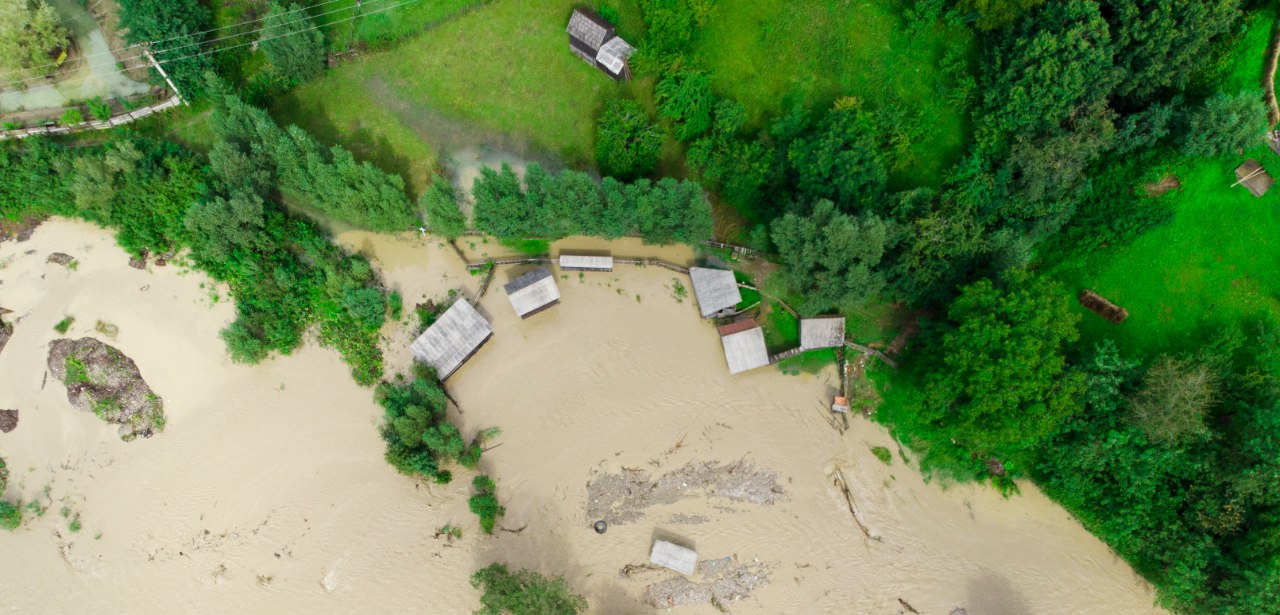
De fortes variations climatiques peuvent avoir des conséquences sanitaires et environnementales dramatiques. Les conséquences sur la santé peuvent être physiques ou psychologiques.

thematic dossier
Dues à des expositions professionnelles, les principales maladies en lien avec le travail sont surveillées par Santé publique France dans l’objectif d’élaborer, avec les partenaires, les...












