


Another heat wave
The weather forecast predicts another heat wave this week.
A heat wave is expected south of the Loire starting Monday, July 22, particularly in the southwest, and beginning Tuesday, the heat wave is expected to affect a very large part of the country. The peak of the heat is expected between Wednesday and Thursday. Santé publique France reminds the public of simple precautions to take, which everyone—including healthy individuals—should follow to best cope with the effects of the heat.
Precautions to Take
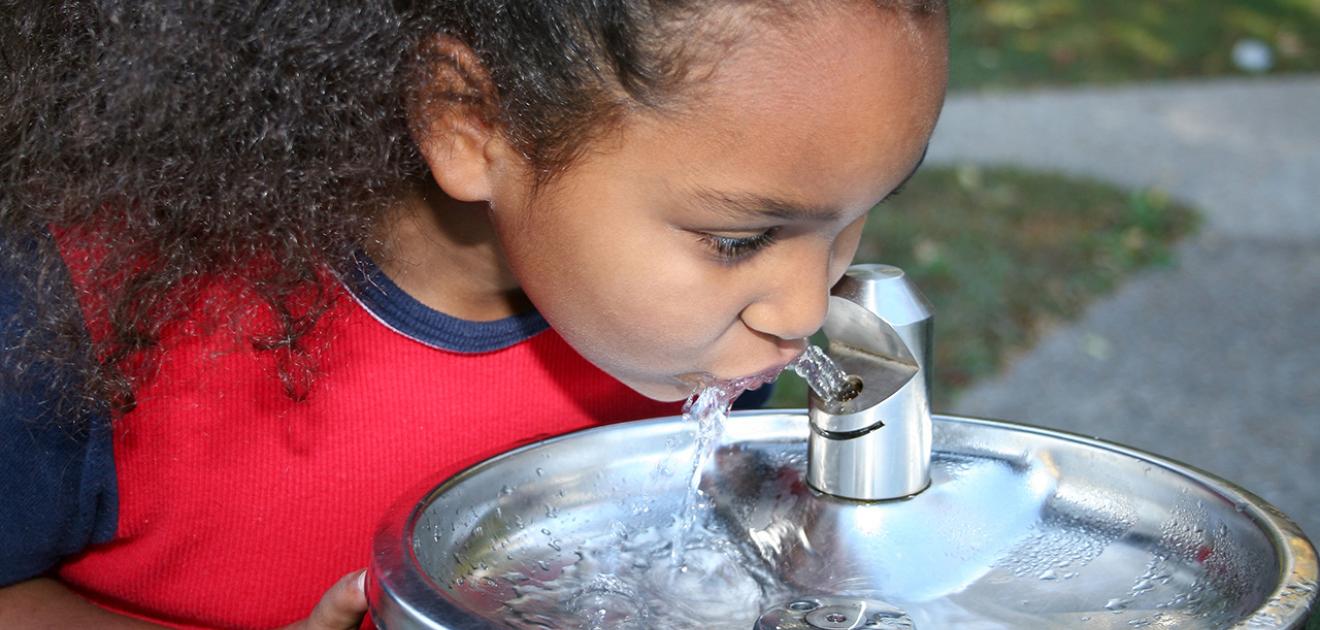
Drink water regularly without waiting until you are thirsty;
Cool off and wet your body (at least your face and forearms) several times a day;
Eat enough and avoid alcohol;
Avoid going outside during the hottest hours of the day and spend several hours a day in a cool place (movie theater, public library, supermarket, museum, etc.);
Avoid physical exertion;
Wear loose-fitting, lightweight, light-colored clothing, and if you go outside, protect yourself from the sun (sunglasses, hat, sunscreen);
Keep your home cool (close windows and shutters during the day; open them in the evening and at night if it’s cooler);
If you use public transportation, remember to bring water and a spray bottle with you and make sure children stay hydrated
Be sure to check in regularly with your loved ones and, whenever necessary, don’t hesitate to ask for help;
For real-time information, you can consult the Météo-France heat advisory map, which is updated at least twice a day at 6 a.m. and 4 p.m.: http://vigilance.meteofrance.com.
Infants and young children: Make sure to protect them from the heat at all times (avoid going out during the hottest hours, have them drink and stay hydrated regularly, have them wear a hat and sunglasses, and apply sunscreen). Never leave them in a poorly ventilated room or a vehicle, even for a very short time.
Children: Make sure they stay hydrated and cool. You care about them—never take your eyes off them to prevent drowning. During the summer of 2018, accidental drownings increased by 30% compared to the summer of 2015, particularly during heat waves.
Athletes: Avoid physical activity during the hottest hours of the day.
Workers: Refer to the safety guidelines issued by the Ministry of Health in collaboration with Santé publique France and the Occupational Health Inspection Service for workers most at risk.
If you have a chronic condition or are on regular medication, do not hesitate to ask your doctor or pharmacist for advice.
If you experience warning signs (cramps, unusual fatigue, nausea, vomiting, headaches, etc.)
Stop all physical activity and move to a cool place
Drink
Cool off with a damp cloth, a spray bottle, a shower, etc.
Call a doctor if symptoms persist for more than 1 hour, worsen, or if you have a heart condition
If you see someone feeling unwell, speaking incoherently, or experiencing a fever after sun exposure, call 911
Learn all about behavioral and prevention recommendations
These guidelines apply to everyone, including healthy individuals, as this affects us all.
They apply particularly to vulnerable individuals (people over 65, people with disabilities or illnesses, dependent individuals, pregnant women, young children, homeless people, etc.) and to workers exposed to heat, who are at higher risk of complications.
The "Canicule Info Service" hotline is now available. This toll-free number, 0800 06 66 66 (free from landlines in France, Monday through Saturday from 9 a.m. to 7 p.m.), provides advice.
HOLIDAY FOCUS: As the holiday season begins and ends, if you’re hitting the road:
Avoid driving during the hottest hours of the day and take more frequent breaks than usual, in the shade or in cool places;
Never leave children alone or unsupervised in the car.
For all your travel (by car, train, etc.):
Be especially vigilant with vulnerable or elderly people;
Bring plenty of water and drink (or give others water to drink) regularly. Don’t hesitate to use the water stations or fountains available at train stations or highway rest areas;
Cool off and wet your body (at least your face and forearms) several times a day, for example using a spray bottle;
For your trip, it is recommended that you dress lightly, opting for loose-fitting, lightweight, light-colored clothing;
If you see someone feeling unwell, call 15 immediately.
Be aware of heatstroke and dehydration
Every year during heat waves, there is an increase in medical visits for symptoms specifically or largely caused by exposure to heat:
Hyperthermia or “heatstroke”: a person who does not sweat enough experiences a rise in body temperature and is unable to maintain a temperature of 37°C. This risk primarily affects newborns, young children, and adults particularly exposed to heat (athletes or outdoor workers) and can have serious consequences.
Dehydration: A person who sweats and does not drink enough becomes dehydrated (the body lacks water). Older adults are most at risk for this condition.
See also:
Adapting to heat in the context of climate change
Understanding and preventing the health impacts of heat in the context of climate change. Weekly Epidemiological Bulletin No. 16-17.
Climate Change Report
Heat Wave Dossier
Advice for parents of young children:












