




The disease
Hypercholesterolemia, a vascular risk factor
Hypercholesterolemia is a metabolic disorder characterized by elevated levels of LDL cholesterol. LDL cholesterol is the most atherogenic form of cholesterol: when present in excess, it tends to accumulate in the arterial wall and promote the development of atherosclerotic plaque. Hypercholesterolemia is therefore, along with high blood pressure, obesity, and diabetes, one of the main cardiovascular risk factors. Hypercholesterolemia can generally be prevented or treated through lifestyle and dietary measures (healthy diet, physical exercise, etc.), possibly combined with lipid-lowering medication.
Numerous epidemiological studies have shown that lowering total cholesterol and LDL cholesterol reduces the risk of cardiovascular and cerebrovascular diseases. Conversely, the non-atherogenic fraction of cholesterol, HDL cholesterol, is associated with a reduced vascular risk when levels are high, but with an increased risk when levels are too low.
Hypercholesterolemia is defined by an elevated LDL cholesterol level relative to an individual’s overall cardiovascular risk profile. It can have several causes:
hereditary or genetic;
dietary (a diet too high in saturated fat);
medication (certain treatments can raise cholesterol levels: contraceptives, diuretics, etc.);
other diseases of the liver, kidneys, or thyroid.
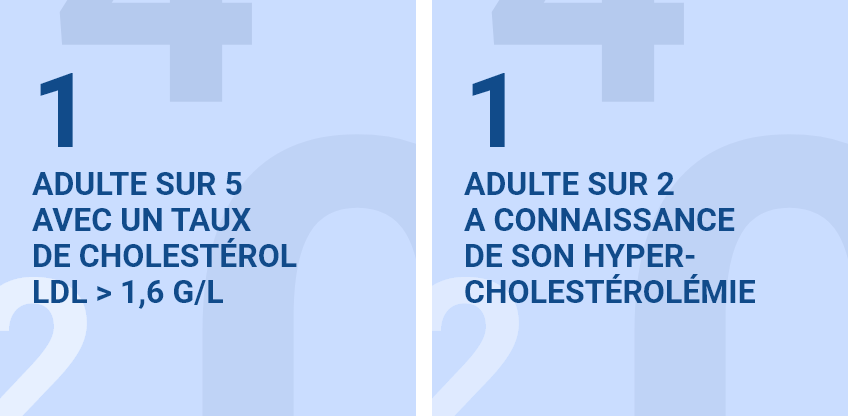
Key Facts About Hypercholesterolemia
Management of LDL Hypercholesterolemia
Hypercholesterolemia can be prevented or treated by adopting a cholesterol-lowering diet, possibly combined with medication (lipid-lowering therapy). In fact, not all cases of elevated LDL cholesterol require drug therapy, and first-line treatment often involves dietary changes in patients with low cardiovascular risk, including adopting a Mediterranean-style diet and reducing saturated fat intake.
Screening for Vascular Risk Prevention
Screening for lipid abnormalities is recommended as part of an assessment of overall cardiovascular risk in men over 40 and women over 50, when prescribing combined hormonal contraception, as well as in the presence of certain health conditions or risk factors (cardiovascular disease, hypertension, diabetes, renal failure, current smoking or smoking cessation within the past three years, among others).
In relation to

Myocardial infarction
thematic dossier
A heart attack is caused by a blockage in a coronary artery that supplies the heart with blood and, consequently, oxygen. This deprivation leads to heart failure and eventually cardiac arrest.

Stroke
thematic dossier
A stroke is a serious condition that causes neurological deficits resulting from vascular brain damage. Strokes can be ischemic or hemorrhagic.

Nutrition and Physical Activity
thematic dossier
Nutrition and physical activity are two major determinants of health that contribute to improving the health of the population and are key priorities in public health policy.











