Hepatitis A in France. Epidemiological data for 2020.
Access the summary of hepatitis A surveillance data in France for 2020.

Hepatitis A
thematic dossier
Hepatitis A in France: Key Figures and Findings for 2020
A decrease in the number of reported cases between 2019 and 2020, most likely due to the COVID-19 pandemic
The year 2020, marked by the emergence and subsequent pandemic of SARS-CoV-2, saw a decrease in the number of reported cases of hepatitis A in France. In fact, 411 cases of acute hepatitis A were reported in 2020 (vs. 1,277 in 2019), with a reporting rate of 0.6 per 100,000 inhabitants (vs. 2.1 per 100,000 inhabitants in 2019).
This decrease is largely due to the sharp drop in the number of cases linked to international travel, resulting from international travel restrictions imposed during part of 2020 (Figure 4), and most likely to the implementation of public health measures in response to the COVID-19 pandemic, which limited the spread of the hepatitis A virus (hand hygiene, closure of schools and restaurants, lockdowns, curfews).
Changes in healthcare utilization, particularly the reduced tendency to seek medical care for mild symptoms, may also have contributed to this decline in the incidence of reported cases. Consequently, such low levels have never been recorded in 14 years of surveillance through mandatory reporting (Figure 1).
In 2020, the sex ratio was 1.0 (compared to an average sex ratio of 1.3 between 2006 and 2016, and 3.6 in 2017*). In total, 51% of cases in 2020 were women (Figure 2). The average age of reported cases was 35 years (ranging from 2 to 95 years). The age group with the highest incidence in 2020 was 6 to 15 years, as is typically observed (with the exception of 2017*).
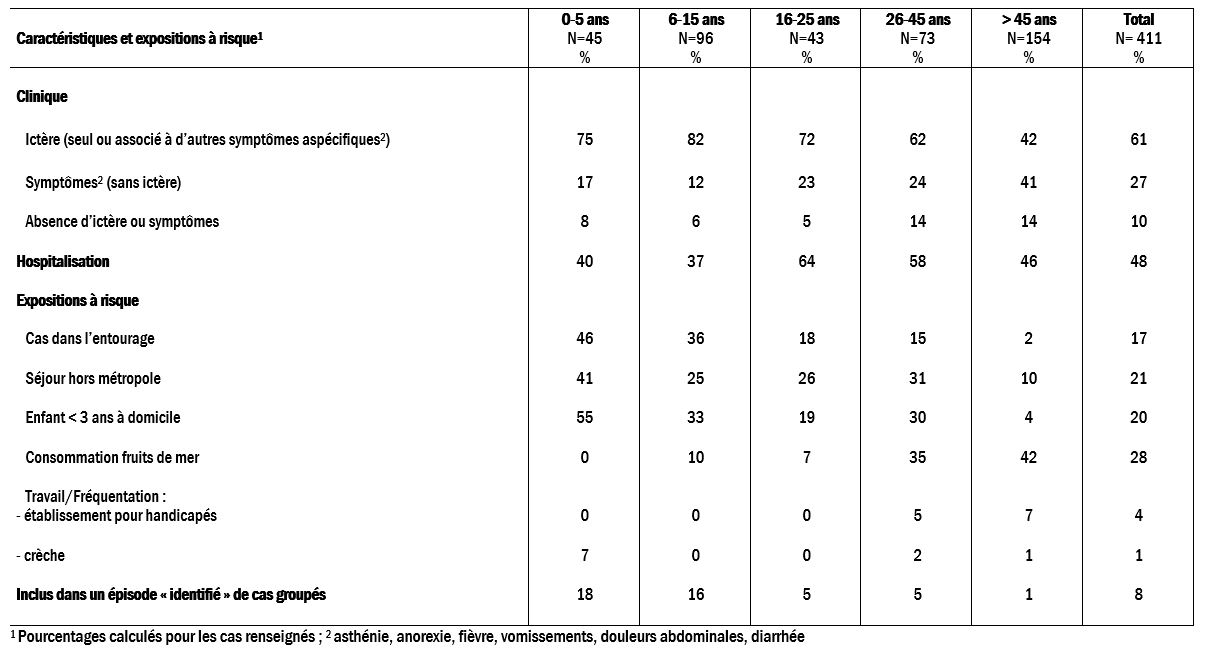
In 2020, as in previous years, jaundice was reported in the majority of reported cases (61%), and nearly half of the cases were hospitalized (48%).
Hepatitis A in Metropolitan France and the Overseas Territories
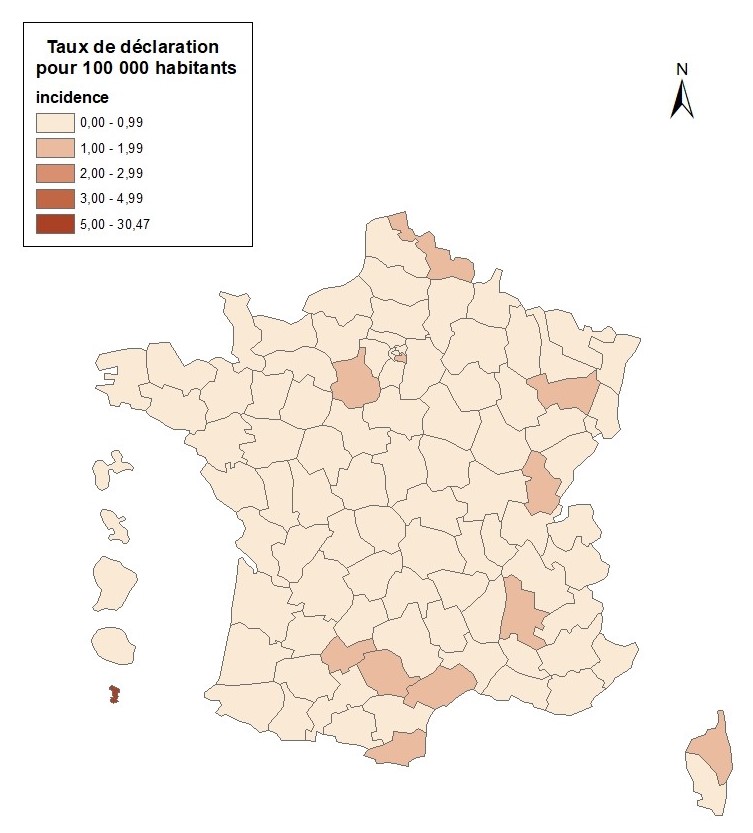
Regarding geographic distribution, the highest reporting rate was observed in the overseas department of Mayotte, as in previous years. This rate stood at 30.5 per 100,000 inhabitants in 2020.
In the rest of the country, reporting rates ranged from 0 (in 32 departments where no cases were reported in 2020) to 1.5 per 100,000 inhabitants (Tarn-et-Garonne) (Map). By way of comparison, in 2019, only 6 departments reported no cases of hepatitis A during the year.
Hepatitis A: What were the main risk exposures in 2020?
In 2020, the epidemiology of hepatitis A, heavily influenced by the COVID-19 pandemic, showed that the main risk exposures in the 2 to 6 weeks before the onset of symptoms were:
consumption of seafood (28% of cases);
travel outside mainland France (21%);
living in the household of a child under 3 years of age (20% of cases) (Figure 5).
By comparison, the main risk exposures in 2019 were a trip outside mainland France (47% of cases), the presence of known hepatitis A cases among close contacts (33% of cases), and living in a household with a child under 3 years of age (22% of cases).
The Importance of Vaccination
To prevent any resurgence of acute hepatitis A, vaccination recommendations remain in effect.
These recommendations call for increased vaccination among MSM following the 2017 outbreak, as well as among family members of a confirmed case, and prior to travel to an endemic area (2020 Vaccination Schedule and Health Recommendations for Travelers, 2020).
Adherence to personal and public hygiene, particularly frequent handwashing with soap and water, also remains essential to limit the risk of hepatitis A transmission.
Figures and maps
Figure 1. Number of cases and annual incidence rate per 100,000 inhabitants, acute hepatitis A, France, 2006–2020
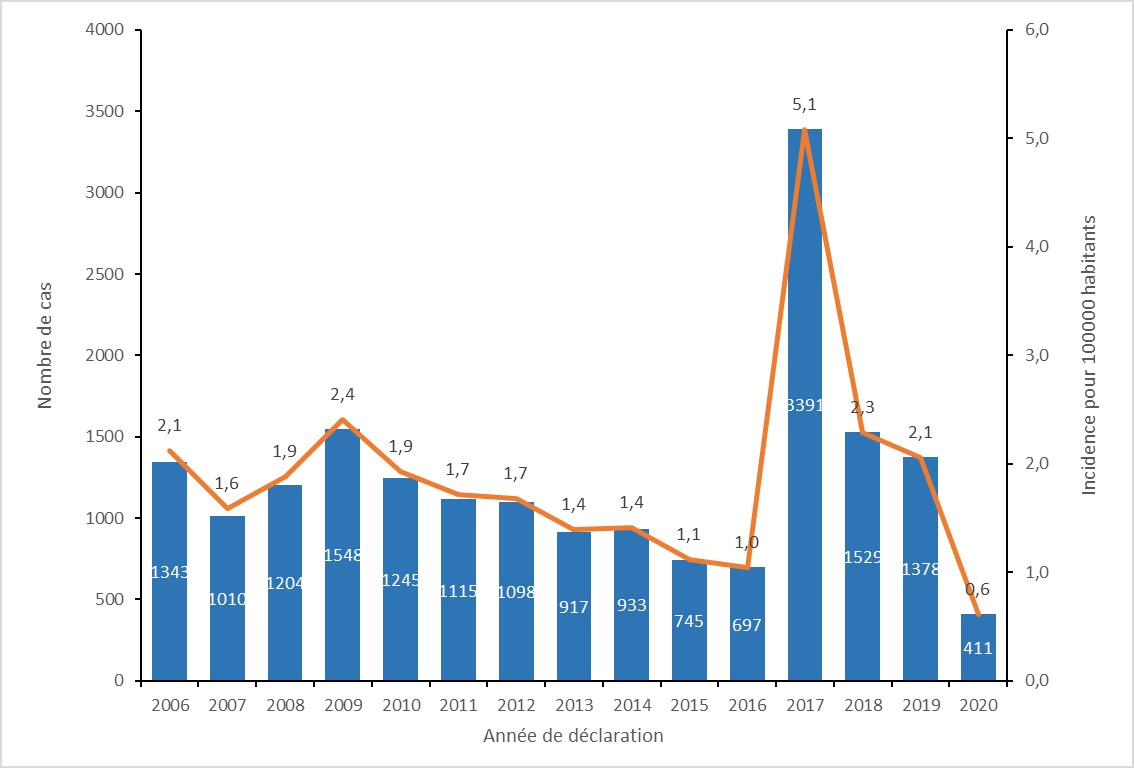
Figure 2. Male-to-female sex ratio of reported cases of acute hepatitis A, France, 2016–2020
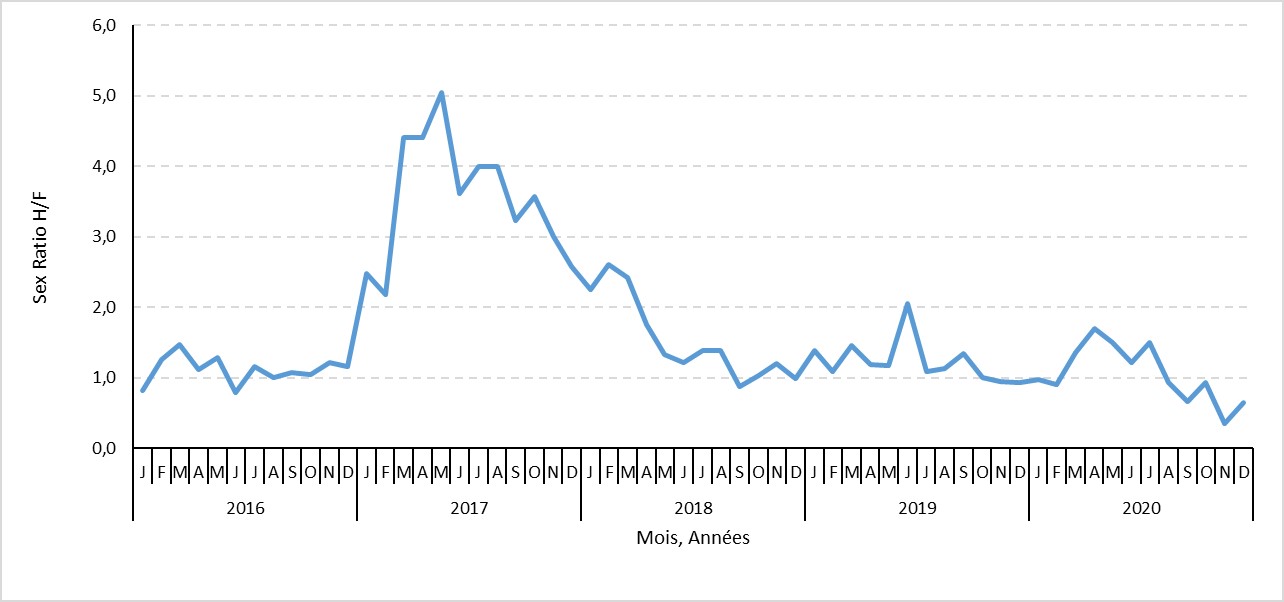
Figure 3. Estimated incidence of acute hepatitis A by age group and sex, France, 2020
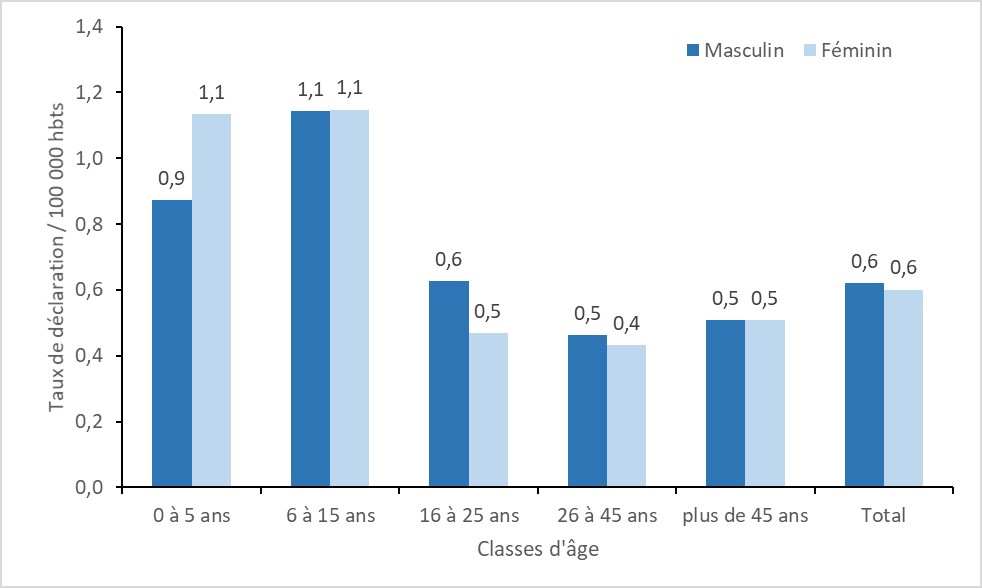
Figure 4. Number of reported cases of acute hepatitis A by month of diagnosis and by history of travel outside mainland France, and percentage of cases involving travel (2006–2019 vs. 2020), mainland France, 2020.
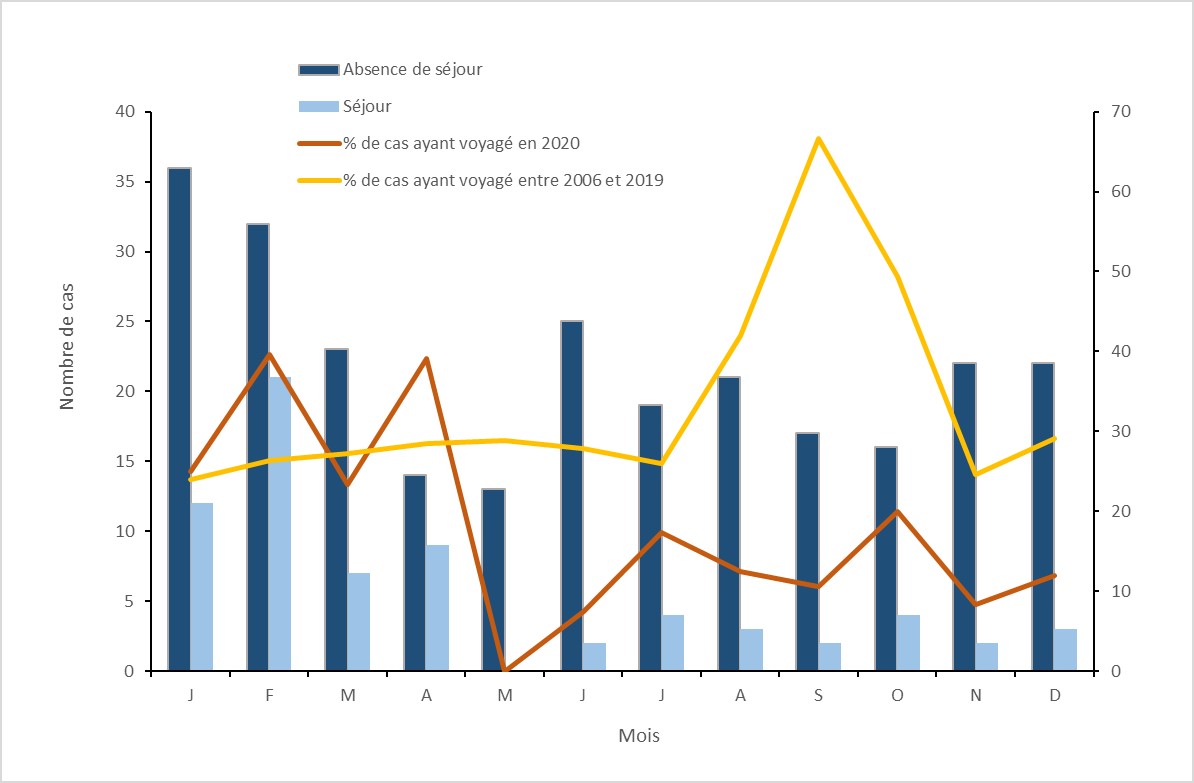
Figure 5. Characteristics and risk exposures of reported cases of acute hepatitis A by age group, France, 2020
Map. Incidence rate (per 100,000 inhabitants) of acute hepatitis A by department, France, 2020