



COVID-19, Influenza, and Bronchiolitis: Recommendations for Situations Where Respiratory Viruses Are Circulating Simultaneously
Three concurrent outbreaks—of COVID-19, the flu, and bronchiolitis—are currently being observed across the country. With the holiday season approaching, Santé publique France is reminding the public of the preventive measures they should take.
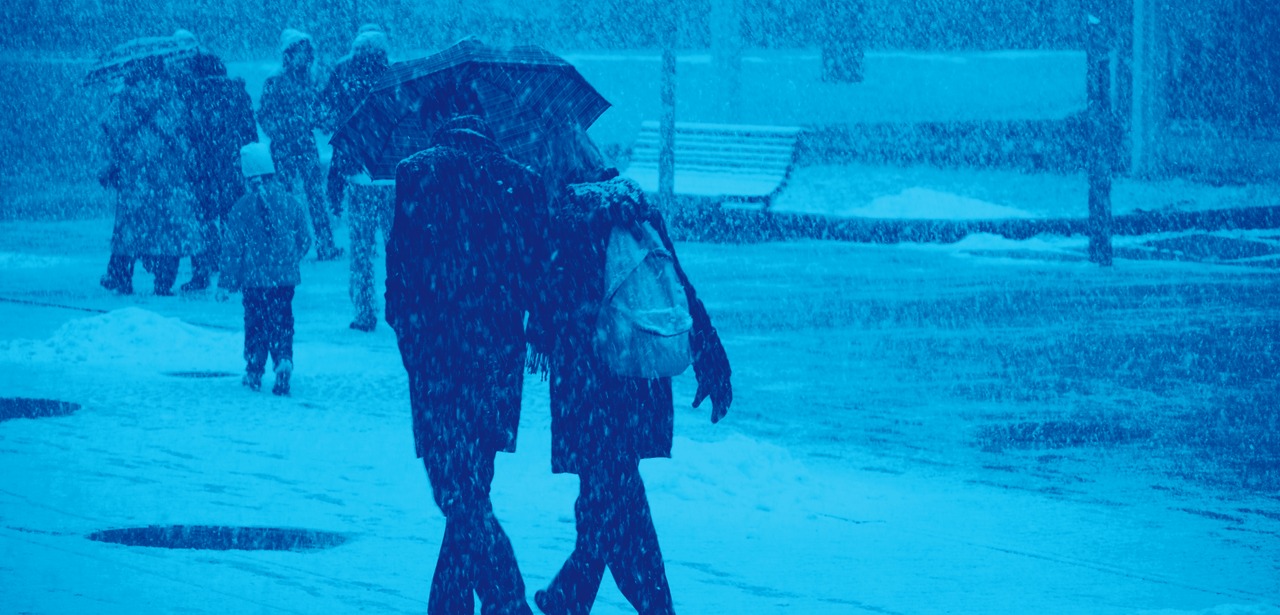
Winter viruses
thematic dossier
Every year, winter viruses cause outbreaks of the flu, gastroenteritis, and bronchiolitis. Simple preventive measures can reduce the risk of infection.
The Simultaneous Circulation of Respiratory Viruses
In winter, many viruses are present. Respiratory viruses cause colds, nasopharyngitis, seasonal flu, bronchitis, and bronchiolitis in children. Since 2020, the pandemic dynamics of COVID-19 have impacted the epidemiology of the various viruses responsible for winter illnesses.
In recent weeks, the continued early rise in flu cases and the very high number of bronchiolitis cases have compounded the active circulation of the SARS-CoV-2 virus throughout the country. All metropolitan regions are now in the epidemic phase.
The concurrent circulation of respiratory viruses is concerning because it can have a significant clinical impact on healthcare systems, particularly on hospitals. This situation is quite atypical compared to previous years, which were typically marked by the succession of different respiratory viruses.
In this context, Santé publique France is stepping up epidemiological surveillance and reminding the public of the preventive measures to be taken.
How can you reduce the risk of infection?
The viruses that cause bronchiolitis, the flu, and COVID-19 are spread through droplets (emitted when people with respiratory viruses cough, sneeze, or speak) or through direct contact with an infected person’s hands or with an object touched by a sick person.
As the holidays and end-of-year celebrations approach—with gatherings that facilitate the spread of these viruses—Santé publique France reminds the public of the simple preventive measures to adopt:
wear a mask in the presence of vulnerable people, or in crowded indoor spaces such as public transportation;
greet one another without shaking hands or kissing;
wash your hands frequently;
ventilate rooms;
cough and sneeze into your elbow.
Hygiene measures to prevent bronchiolitis
Wash your hands before approaching an infant. This should take 30 seconds, using soap and water or an alcohol-based hand sanitizer if washing your hands is not possible.
Avoid, whenever possible, taking your child to crowded public places (public transportation, shopping malls, etc.), where they might come into contact with people who have colds.
Do not share unwashed bottles, pacifiers, or utensils.
Ventilate the room by opening the windows for at least 10 minutes a day.
Do not smoke near babies and children.
Regularly clean objects that the infant comes into contact with (toys, pacifiers, etc.).

Vaccination remains the best protection against severe cases of the flu and COVID-19
Against COVID-19 and the flu, vaccination is a key protective measure that significantly reduces the risk of death and severe illness. It is available to all French citizens who wish to receive it and is strongly recommended for:
people aged 60 and older;
residents of nursing homes and long-term care facilities, regardless of age;
immunocompromised individuals, regardless of age;
people with underlying health conditions, regardless of age;
pregnant women starting in the first trimester of pregnancy;
people living with or in regular contact with vulnerable individuals;
healthcare and social services professionals.
There is no required waiting period between the flu vaccine and the COVID-19 vaccine (whether a booster dose or not). Both shots can be administered at the same time, at two separate injection sites—for example, one vaccine in each arm.
Learn more: vaccination-info-service.fr
Enhanced surveillance during the winter season
As part of its surveillance, monitoring, and alert missions regarding seasonal epidemics, Santé publique France analyzes surveillance data on COVID-19 and winter viruses from its partner networks.
Surveillance of winter epidemics begins in October and ends in mid-April of the following year in metropolitan France. It enables, in particular, the detection of the onset of the epidemic, the monitoring of its progression, and the estimation of its impact on the community and healthcare systems.
The analysis of this data is published weekly in national epidemiological bulletins and regional epidemiological reports.
To access our epidemiological bulletins
Bronchiolitis
Influenza
COVID-19
Follow developments live in France and around the world
National bulletins
Vaccination Information Service
What are vaccines for? How do they work? At what age should children be vaccinated? Vaccination-info-service.fr answers the most frequently asked questions about vaccination. A separate...
Stay informed
To stay up to date with our news, subscribe to our newsletters by filling out the form below












