


Leptospirosis: Be on the lookout!
cp_lepto_reunion_20240209.pdf
Download (PDF - 923.38 KB)
Press Contacts
ARS La Réunion Communications
Department
0262 97 97 17 – 0692 57 63 38
ars-reunion-communication@ars.sante.fr
Santé publique France
presse@santepubliquefrance.fr
Stéphanie Champion: 01 41 79 67 48
Camille Le Hyaric: 01 41 79 68 64
In light of the recent increase in reported cases of leptospirosis and the onset of the rainy season, the Regional Health Agency of Réunion (ARS La Réunion) and Santé publique France recommend that the public exercise increased caution: take simple precautions to protect yourself; consult your doctor as soon as symptoms (such as fever) appear; and mention if you have engaged in any high-risk activities.
In January 2024, 24 cases (compared to 6 cases in 2023) of leptospirosis were reported to the ARS La Réunion, including 10 hospitalizations. This disease is contracted through contact with a damp environment contaminated primarily by rat urine (standing water, mud, etc.). Heavy rains promote soil leaching and the survival of leptospira bacteria in the soil. Home gardening or recreational activities in freshwater after heavy rains are therefore particularly risky. Farmers and livestock breeders are also at risk due to their professional activities.
Epidemiological Situation
The onset of this year’s seasonal leptospirosis epidemic has been earlier and at a higher level than in previous years:
24 cases reported in January 2024 to the ARS La Réunion (compared to 6 cases during the same period in 2023 and 14 cases in 2022).
10 hospitalizations, including 7 patients in intensive care.
Distribution of cases: South (20 cases), East (2 cases), North (2 cases). The South region is particularly affected, but no clusters of cases have been identified to date.
Profile of those affected:
The vast majority of those affected are men: 23 out of 24 cases
Average age: 58 years (min=14 years; max=75 years)
Presumed transmission linked primarily to recreational activities (home gardening, freshwater sports) and occupational activities (agricultural work, livestock farming)
Most infected individuals had unprotected wounds or lacked adequate protective gear (boots, gloves, goggles, coveralls, etc.).
Although the majority of cases are reported in the south, the entire island is affected by leptospirosis. Current weather conditions are favorable for the survival of bacteria in water and wet environments. Without effective protection, the risk of infection is even higher when engaging in activities such as cleaning yards and gardens, agricultural work and livestock farming, gardening, and swimming in freshwater.
What are some high-risk activities?
Gardening (yard work, vegetable gardening, tree pruning, etc.).
Farm work (cutting sugarcane, harvesting leafy greens, pineapples, etc.).
"La kour" livestock farming / raising poultry at home.
Freshwater recreation (fishing, swimming in rivers or ponds, canyoning, etc.).
How can you protect yourself from leptospirosis?
Take personal protective measures
Wear appropriate protective gear (gloves, boots, or closed-toe shoes, goggles, etc.) when gardening, picking up trash, moving bulky items, or raising livestock (“la kour”).
Do not walk barefoot or in flip-flops when engaging in activities in wet or muddy environments at home or outdoors (muddy ground, puddles, stagnant water, ravines).
Protect wounds from contact with water (use waterproof bandages), wash them with drinking water, and disinfect them as soon as possible after exposure.
Farmers and livestock breeders must be vigilant about wearing personal protective equipment. Regular handwashing is recommended.
Controlling Rats
Maintain your yard regularly (remove clutter or waste that could attract rats…).
Collect and dispose of waste regularly through appropriate channels to avoid attracting rats.
Make sure trash cans are securely closed.
Eliminate all food sources for rodents, including pet food scraps.
If you keep poultry at home, ensure that their feed is inaccessible to rodents (store feed in airtight containers, remove food scraps, and use fine-mesh fencing to prevent entry into the coop).
Obey swimming bans in areas marked as high-risk
If the water is murky, it is recommended to postpone recreational activities in freshwater.
These preventive measures should be applied especially after periods of heavy rain, as the risk of contact with contaminated wet environments is higher then.
Get vaccinated
A vaccine against leptospirosis is available. It is reserved for certain high-risk occupational groups or individuals who regularly engage in high-risk recreational activities, following an evaluation by a doctor. This vaccination complements preventive measures.
Reminder about leptospirosis
Leptospirosis is a serious disease: if not treated in time, it can lead to hospitalization or even death.
The bacteria enter the body through the skin via cuts or wounds (even small ones) or through the mucous membranes (eyes, mouth, nose).
If symptoms appear (sudden onset of high fever (often > 39°C), extreme fatigue, muscle, joint, or abdominal pain, nausea, vomiting, severe headaches):
See your doctor immediately;
inform them of any high-risk activities you engaged in within the 3 weeks prior to the onset of symptoms.
The doctor may order a laboratory test to confirm or rule out the diagnosis.
Since August 23, 2023, leptospirosis has been a reportable disease. The ARS will then ask the patient to conduct an environmental survey at home to identify potential sources of exposure and high-risk activities.
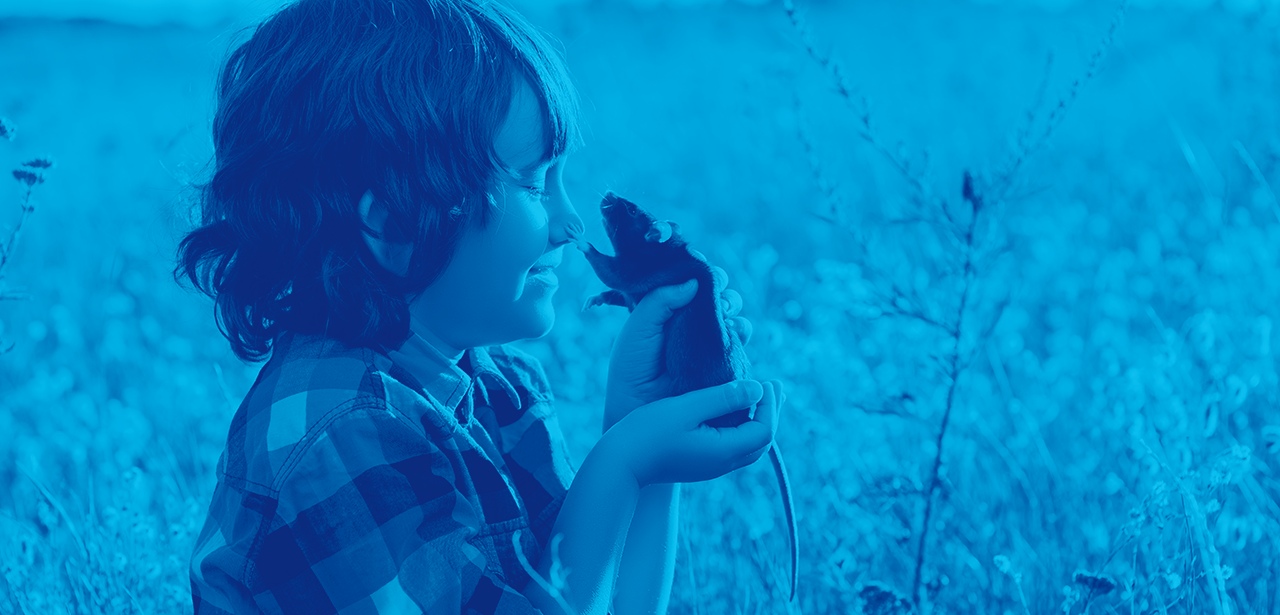
Leptospirosis
thematic dossier
Leptospirosis is a bacterial zoonosis found worldwide. In France, leptospirosis is a public health concern, particularly in the overseas territories, where the incidence is high.
Our latest news

news
Growing Up with Screens. A special report in *La Santé en action* No. 474,...

news
Seniors, pregnant women, and nursing home staff: What is the status of their...

news












