Visuel illustratif - Personne se baignant dans la mer

More than 1,300 drowning incidents were reported during the summer of 2023

Santé publique France has released a report on drowning incidents recorded during the summer of 2023 and, with the summer season approaching, is reminding the public of the precautions to take to ensure safe swimming.

Drowning

thematic dossier

Drowning is the leading cause of accidental death among people under 25 in France, but it also affects other age groups.

Drowning is the leading cause of accidental death among people under 25, and affects people of all ages. It is therefore very important to keep a close eye on them, to raise awareness about the risks, and to promote prevention. Each year, from June 1 to September 30, the epidemiological surveillance of drownings established by Santé publique France in collaboration with the National System for Monitoring Water Safety (SNOSAN) identifies all accidental drownings treated by an emergency facility or resulting in death at the scene of the drowning.

As the upcoming summer season approaches, Santé publique France is publishing its annual report, which describes the characteristics of the victims and the circumstances surrounding the drownings recorded during the summer of 2023. Three peaks in drowning incidents were observed during the summer period (the weekends of July 8–9, July 15–16, and August 19–20, 2023). These peaks correspond to heat waves and, more broadly, to times when the weather was most favorable for swimming. The results for the summer of 2023, considered by Météo-France to be the fourth hottest summer since 1900, show that the number of drownings and drownings resulting in death remains high across all age groups and locations. These findings underscore the need to continue drowning prevention efforts for people of all ages.

Nearly 30% of drownings during the summer of 2023 resulted in death

Between June 1 and September 30, 2023, 1,336 drowning incidents were recorded, 361 of which resulted in death, or 27% (compared to 24% in 2021).
Adults represent the group most affected by drowning (55% of drowning victims, compared to 30% of children under 6 and 15% of those aged 6–17) and the group in which drowning is most often fatal (44% among adults versus 3% among children under 6).

9

out of 10 drowning incidents resulting in death involved adults

The sea is the location with the highest number of drowning incidents resulting in death (45% of deaths), followed by rivers (23%), private pools (15%), and lakes (14%). Half of all drowning deaths among adults occur at sea, while one-third of drowning deaths among minors occur in private swimming pools.

Two-thirds of drownings and more than half of the deaths are concentrated in five coastal regions: Provence-Alpes-Côte d’Azur, Occitanie, Nouvelle-Aquitaine, Auvergne-Rhône-Alpes, and Brittany. The proportion of drownings resulting in death in swimming pools is higher in the southeastern regions (PACA, Occitanie, Corsica), which have a large number of swimming pools, compared to other regions. The proportion of drownings resulting in death at sea was higher in the northwestern coastal regions (Brittany, Normandy, Hauts-de-France) and in the overseas territories (71% and 82%, respectively) compared to other regions.


Download

bulletin national

22 May 2024

Drowning Incidents in France: Summer 2023 Surveillance Report.

Launch of the epidemiological surveillance of drownings from June 1 through September 30, 2024

The drowning surveillance system in France was updated in 2023 and will continue for the 2024 summer season. It is now based on accidental drownings recorded through emergency room visits for drowning and drownings resulting in death at the scene of the incident in France and its overseas territories, between June 1 and September 30.

Replacing the triennial NOYADES surveys, annual monitoring has relied since the summer of 2023 on data from emergency room visits for drowning from the OSCOUR® network and on data on drowning deaths at the scene of the incident collected by the National System for Monitoring Water Safety (SNOSAN). SNOSAN data is obtained from reports by the Regional Operational Surveillance and Rescue Centers (CROSS), bulletins from the Ministerial Operational Monitoring and Alert Unit (CMVOA), and media monitoring.

Throughout the summer, several status updates will be published on our website, allowing users to track changes in the number of drowning incidents recorded during the monitoring period and to adapt prevention messages throughout the season. Drowning incidents will also be monitored as part of the health surveillance system established for the 2024 Olympic Games, using data on emergency room visits from the OSCOUR® network.

Follow these safety tips for swimming

For all ages

Swimming involves risks, but simple precautions can be taken to ensure safe swimming.

For children

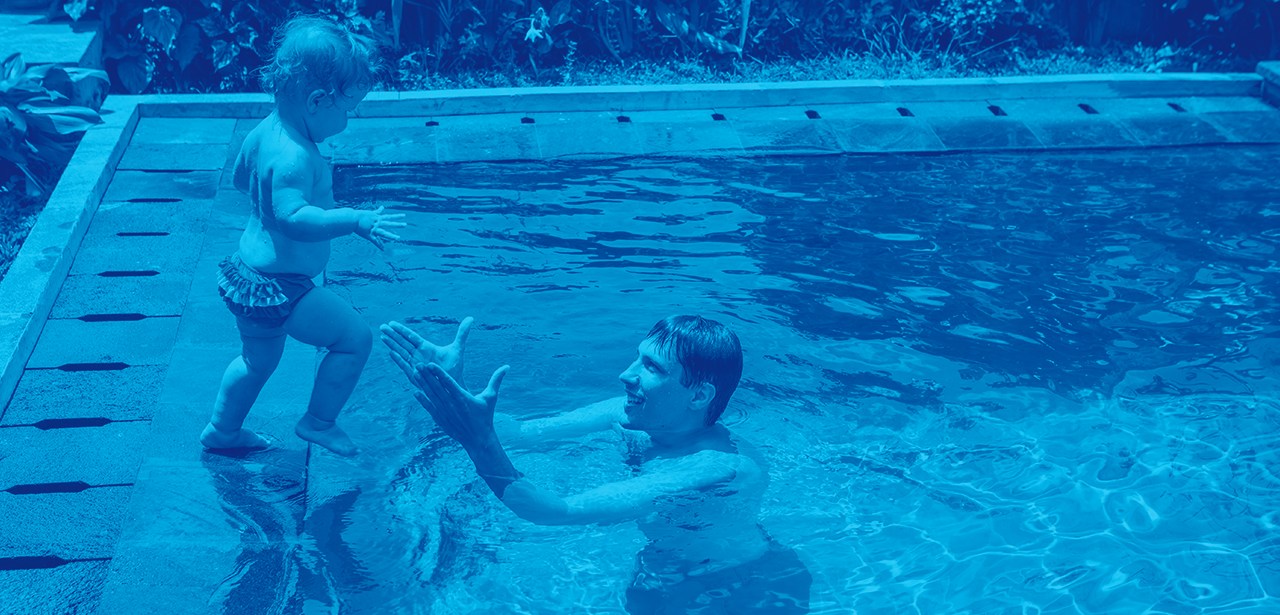
  • Before and during swimming, actively and constantly supervise young children

    • Never take your eyes off young children when they are playing near the water

    • Swim with young children when they are in the water

    • Assign one adult per child to supervise during swimming

  • Throughout the year, teach children to swim as early as possible and familiarize them with the aquatic environment from a very young age

    • Baby Swimmer (up to 3 years old)

    • Water confidence (ages 4 to 6)

    • Swimming lessons (ages 6 and up)

For adults

  • Before and during swimming

    • Follow safety guidelines and swimming restrictions

    • Choose supervised swimming areas secured by professional lifeguards

    • Check the weather conditions

    • Postpone swimming if you feel unwell (fatigue, health issues, chills, etc.)

    • Avoid drinking alcohol before swimming

    • Let a friend or family member know before swimming

    • Enter the water gradually by wetting your head, neck, and stomach to avoid thermal shock, especially when there is a significant difference between water and air temperatures

  • All year round

    • It’s never too late to start learning to swim

Resources and informational materials for all organizations seeking to raise public awareness about the risk of drowning

Santé publique France provides various stakeholders (city halls, sports clubs, etc.) with several tools available for download and order.

See also

Drowning Surveillance During the Summer of 2023.

Monitoring of drownings resulting in death at the scene during the summer of 2023.