


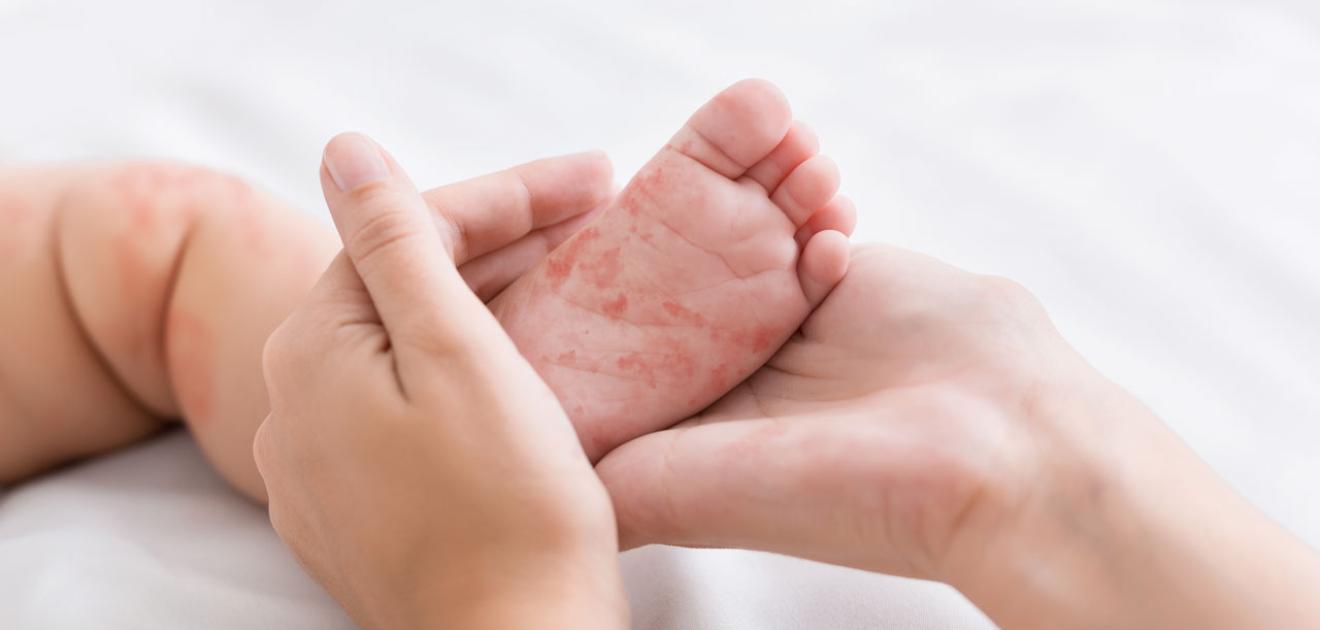
Measles Outbreak in France and Europe: Let’s Stay Vigilant
In light of the recent surge in measles cases in France and across Europe, and with the 2024 Olympic and Paralympic Games fast approaching and expected to attract large numbers of visitors, Santé publique France is closely monitoring the evolving epidemiological situation and reiterating the importance of vaccination, which remains the only effective means of protection to curb the spread of the virus.

Measles
thematic dossier
Measles is one of the most contagious infections, with potentially serious complications, and it can be eradicated worldwide. High vaccination coverage is essential to interrupt the spread of the...
Since 2022, and particularly in 2023, the global measles situation has been marked by a resurgence of measles outbreaks due to several years of declining vaccination coverage following the COVID-19 pandemic. In February 2024, the WHO expressed concern over the rapid spread of measles worldwide, with more than 306,000 cases reported last year—a 79% increase compared to 2022. This rise also affected Europe, with 2,361 cases reported in 2023 and a large-scale outbreak still ongoing in Romania. In France, the 2023 epidemiological report indicates an eightfold increase in cases in 2023 compared to 2022 and highlights the existence of pockets of individuals still susceptible to the virus, particularly among adolescents and young adults. In fact, in the majority of cases, travelers returning from a stay in an endemic area contracted the disease, returned to France while still contagious, and spread the virus.
As France prepares to welcome millions of foreign visitors for the 2024 Olympic and Paralympic Games and with measles outbreaks raging in Russia and Eastern Europe, the risk of imported cases is increasing. This situation requires heightened vigilance from healthcare professionals regarding the early detection of measles and the implementation of appropriate preventive measures.
The Importance of Diagnosis and Mandatory Reporting of Measles Cases
Since the start of the COVID-19 pandemic, Santé publique France has observed a significant increase in delays in reporting suspected measles cases to regional health agencies. Given the virus’s extreme contagiousness, healthcare professionals are asked to ensure early reporting (as soon as clinical suspicion arises) to health authorities, particularly in the current epidemiological context, to enable the implementation of urgent preventive measures for contacts (verification of vaccination status and catch-up vaccinations for those not up to date) and thus limit the spread of the virus nationwide. Measles is a notifiable disease, and reporting is essential for implementing case-based measures and, in particular, protecting contacts at risk of severe disease (infants under one year of age, pregnant women, immunocompromised individuals) through post-exposure prophylaxis. This reporting allows us to track trends and the main epidemiological characteristics of measles.
Learn more:
Infant Vaccination and Catch-Up Vaccination: The Only Way to Protect Yourself
The measles virus is among the most contagious. France maintains high vaccination coverage among infants due to the mandatory vaccination requirement implemented in 2018, which is close to the target needed to eliminate the disease (95% with two doses) but has not yet been reached. Among adults aged 18 to 35, vaccination coverage is estimated at 90.4% (2021 survey). Although high, it remains below the set target.
All children, adolescents, and young adults born after 1980 must be vaccinated against measles. It is a highly effective vaccine that protects against the disease in more than 95% of cases after two doses:
for infants: first dose at 12 months and second dose between 16 and 18 months;
for people born in or after 1980 and aged at least 12 months, regardless of their history regarding the three diseases (measles, mumps, and rubella—MMR): two doses with a minimum interval of one month between doses.
Why get vaccinated against measles?
Vaccination with the MMR vaccine is the only effective protective measure, since there is no treatment for measles;
High vaccination coverage helps protect those at risk of severe forms of the disease, such as infants under one year of age, pregnant women, and immunocompromised individuals who cannot receive the live attenuated vaccine.
During a visit to a healthcare provider, regardless of the reason, every consultation is an opportunity to check the vaccination status of people born after 1980 and ensure they are protected.
Documents to download
STOP the measles outbreak (poster)
The most severe cases of measles aren’t always among young children (flyer)
Measles: The Risk Persists (Guidelines for Your Practice)
What is the current level of measles virus circulation in France?
Between January 1 and December 31, 2023, 117 cases of measles, including 31 imported cases, were reported to Santé publique France. In total, 16 departments reported at least one case. Seven outbreaks were observed in schools, households, and hospital wards. The largest cluster of measles cases occurred in Auvergne-Rhône-Alpes, with 64 cases reported between August and November 2023, primarily involving middle school students who had been properly vaccinated but at a young age.
These clusters, most of which are imported cases, reflect the deteriorating international epidemiological situation—despite the implementation of the 2021–2030 Global Elimination Plan—as well as the susceptibility to the virus among certain unvaccinated population groups in France.

Vaccination Information Service
What are vaccines for? How do they work? At what age should children be vaccinated? Vaccination-info-service.fr answers the most frequently asked questions about vaccination. A separate...

Vaccination
thematic dossier
Contagious diseases most often affect children at a very young age. Because children are particularly vulnerable, they are a priority target for vaccination programs.












