


Earplugs: Instructional video on how to protect your ears and prevent hearing damage
Hyperacusis, tinnitus, partial or total hearing loss… When the ear is exposed to excessive noise levels, it is at risk. The simplest and most accessible way to protect your ears—whether at a concert, a nightclub, or a festival—is to wear earplugs. That’s why Santé publique France has created a fun and educational instructional video to raise awareness among young people about “responsible” listening.
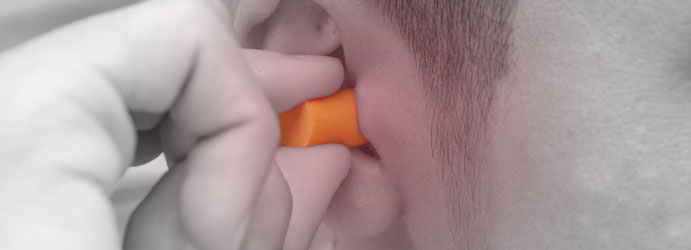
Exposure to noise levels above 85 dB puts your ears at risk
Listening to amplified music at high volumes is common among young people and occurs through many channels, such as MP3 players, cell phones, computers, tablets, televisions, concerts, and nightclubs… However, they are unaware that their hearing can be permanently damaged as a result of exposure to excessively loud sounds.
21% of 15- to 35-year-olds have been exposed at least 10 times in the past year to a risk of hearing damage.
One-third of young people move away from speakers whenever they are in a place with high sound levels, and 21% “never” do so.
Wearing earplugs, however, remains a relatively rare practice, as only 3% report wearing earplugs “every time” and 9.5% “sometimes.”
While the risks associated with listening to music at high volumes are more or less well understood, the reflex to protect one’s hearing is virtually nonexistent, particularly because earplugs are considered difficult to insert. However, if inserted incorrectly, they are of no use.
A fun and educational 50-second video
Santé publique France, in partnership with the Agi-Son association, has produced a video that is accessible to all and royalty-free, which can be shared by entertainment professionals, bars, prevention centers, websites, and more—to help the public learn how to properly insert earplugs.
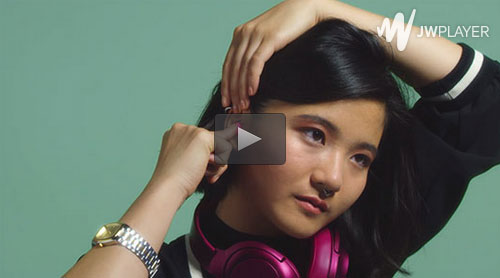
Hearing Risks: How to Properly Insert Your Earplugs?
Learn more:
2014 Health Barometer. Listening to amplified music: analysis of behaviors among 15- to 35-year-olds. Bull Epidemiol Hebd 2016;(2-3).
Prevention of hearing risks. Feature.












