


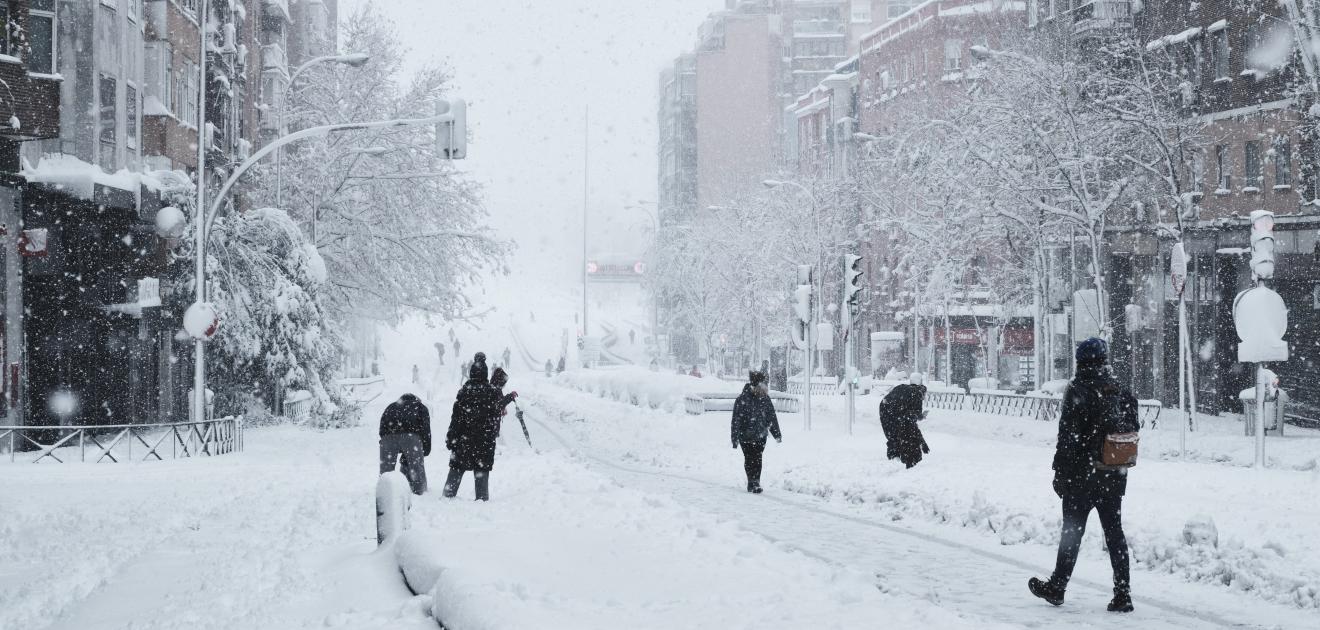
Cold snap in France: What precautions should you take?
In light of the cold snap forecast by Météo-France beginning on February 9, 2020, Santé publique France is reminding the public of the recommended precautions to take to prevent carbon monoxide poisoning.
Extreme cold
thematic dossier
Cold weather increases the risk of cardiovascular and respiratory conditions and can lead to hospitalizations and death. This impact is observed within 3 to 21 days of exposure to the cold.
A particularly severe cold snap with snow and ice, requiring extreme caution
Weather forecasts predict a cold snap over the next few days in several regions of France, starting with Hauts-de-France, where four departments are already under an orange alert for extreme cold. Heavy snowfall and ice are expected, which could damage power and telephone networks. Driving conditions may quickly become very difficult, increasing the risk of accidents.
Extreme cold puts people with cardiovascular, respiratory, or endocrine conditions, as well as the elderly, isolated individuals, people with disabilities, and children, at greater risk. People with eye conditions, mental health issues, or Raynaud’s syndrome are also at higher risk. People facing energy poverty and the homeless are particularly vulnerable to the cold and often have pre-existing conditions that increase their risk in cold weather.
Similarly, outdoor workers and athletes should exercise increased caution: be mindful of hypothermia and the potential worsening of pre-existing conditions. Progressive and persistent symptoms (goosebumps, shivering, numbness in the extremities) may require medical attention and should prompt the utmost vigilance.
Precautions to Take During Extreme Cold
During cold spells, simple precautions can help avoid risks.
Dress warmly, especially covering your extremities and head—where the body loses the most heat—as well as your nose and mouth to minimize exposure to cold air.
Limit physical exertion and travel.
Do not take infants and young children outside, even if they are well-protected.
Wear sturdy shoes to prevent falls on snow or ice.
Stay informed through official sources.
If you encounter a homeless person or someone in distress on the street, call 115.
Contrary to popular belief, drinking alcohol does not keep you warm. On the contrary, it can be dangerous because the numbing effect masks the warning signs of the cold, and you may forget to protect yourself.
Increased risk of carbon monoxide poisoning
During extreme cold, it is recommended to pay special attention to the heating methods used and to the ventilation of your home. In fact, carbon monoxide (CO) poisoning is most common during the winter months due to overheated homes, sealed-off rooms, and similar conditions. Carbon monoxide (CO) is a toxic gas that is imperceptible because it is colorless, odorless, tasteless, and non-irritating. Here are a few recommendations to minimize the risks:
Do not overheat your home; instead, dress warmly in several layers of clothing.
Make sure to refresh the air in your home by opening windows for a few minutes, even in winter, to improve air circulation.
Never block air inlets or ventilation ducts in your home: this can lead to a life-threatening risk of poisoning.
Have your boiler inspected by a qualified professional and avoid continuous use of fuel-burning space heaters.
Do not use portable combustion-based space heaters for more than 2 hours.
Do not use makeshift heaters to heat the interior of your home (braziers, barbecues, or combustion stoves).
Prevention document: Click on the image to download it
reference
Carbon monoxide
thematic dossier
Colorless, odorless, tasteless, and non-irritating, carbon monoxide (CO) is an imperceptible toxic gas. It is the cause of many cases of poisoning during the winter months.












