




The disease
Pneumococcal infections are caused by the bacterium Streptococcus pneumoniae. These invasive infections can be serious and usually require hospitalization.
Pneumococcal infections, a major cause of illness and death
Pneumococcal infections are caused by a bacterium called Streptococcus pneumoniae. Pneumococci can cause infections in many parts of the body: the middle ear (otitis) in children, the sinuses (sinusitis) in adults, the membranes surrounding the brain (meningitis), the blood (bacteremia), and the lungs (pneumonia).
When pneumococci spread to a normally sterile site, such as the blood (bacteremia or sepsis), the meninges (meningitis), or a joint (arthritis), pneumococcal infections are referred to as invasive. Such infections can be serious and most often require hospitalization.
These infections most commonly affect young children, the elderly, and people with chronic illnesses or who are undergoing treatment that weakens their immune defenses against infections. In fact, the risk of developing a pneumococcal infection is four times higher in the presence of a chronic condition, such as diabetes, lung disease, heart disease, or alcoholism, and 23 to 48 times higher in immunocompromised patients due to cancer or HIV/AIDS.
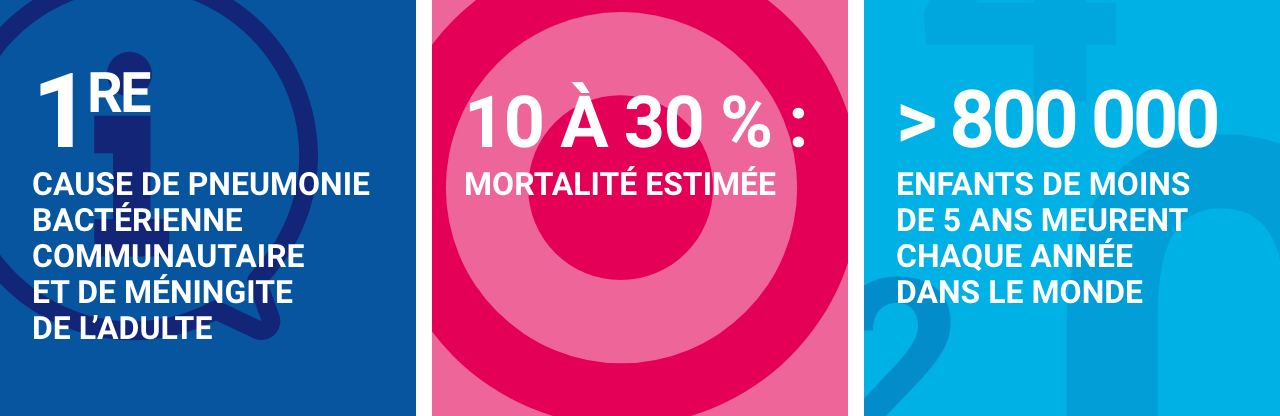
According to the World Health Organization (WHO), more than 800,000 children under the age of 5 die each year worldwide from pneumococcal infections.
The mortality rate for invasive pneumococcal infections ranges from 10% to 30% depending on the study and increases with age and the presence of comorbidities.
In France, pneumococci are the leading cause of community-acquired bacterial pneumonia and bacterial meningitis in adults.
Key statistics on pneumococcal disease
Transmission through direct, close contact
Pneumococci are transmitted between people through direct, close contact with an infected person or carrier, particularly through kissing, coughing, or sneezing.
Vaccine prevention
Pneumococci are highly diverse: more than 90 serotypes have been identified and are defined by their capsular antigen. These serotypes differ in terms of their virulence and their antibiotic resistance profiles. Pneumococcal vaccines target the approximately twenty serotypes primarily involved in invasive infections.
Vaccination recommendations
General recommendations
Pneumococcal vaccination is mandatory starting at 2 months of age for all infants born on or after January 1, 2018. This vaccination is required for children to enter or remain in childcare settings.
Specific recommendations
Pneumococcal vaccination is recommended for children over 2 years of age, adolescents, and adults who are immunocompromised or have a chronic condition that predisposes them to invasive pneumococcal infection. The immunogenicity of the vaccines may be lower in this population, which explains the recommendation for specific vaccination schedules.
Vaccination is recommended for people in the following situations:
Immunocompromised patients:
asplenic or hyposplenic (including those with major sickle cell disease)
with inherited immune deficiencies
HIV-infected, regardless of immunological status
undergoing chemotherapy for solid tumors or malignant hematologic diseases
who have undergone or are awaiting solid organ transplantation
patients who have undergone hematopoietic stem cell transplantation
treated with immunosuppressants, biologics, and/or corticosteroids for an autoimmune or chronic inflammatory disease
with nephrotic syndrome
Patients with an osteomeningeal defect or candidates for implants
Non-immunocompromised patients with an underlying condition predisposing them to invasive pneumococcal infections:
cyanotic congenital heart disease, heart failure
chronic respiratory failure, chronic obstructive pulmonary disease, emphysema
severe asthma requiring ongoing treatment
renal failure
chronic liver disease of any origin
diabetes not controlled by diet alone.
Vaccination schedules based on age and risk are detailed in the vaccination calendar.
More information on vaccination at vaccination-info-service
In relation to

Vaccination
thematic dossier
Contagious diseases most often affect children at a very young age. Because children are particularly vulnerable, they are a priority target for vaccination programs.











